In modern retail environments, refrigeration is far more than a cooling solution. It is a critical part of food safety, operational efficiency, product preservation, and customer experience. From supermarkets and hypermarkets to convenience stores and cold storage facilities, businesses rely on advanced refrigeration systems to maintain freshness and ensure uninterrupted operations.
This commercial refrigeration guide explains how merchandising refrigeration systems work, the different types available, emerging technologies, maintenance best practices, and how businesses can improve efficiency while reducing operational costs.
What is a Commercial Refrigeration System?
A commercial refrigeration system is a temperature-controlled cooling solution designed to preserve perishable products in consumer sales and commercial environments. These systems are commonly used in:
- Supermarkets
- Hypermarkets
- Grocery stores
- Convenience stores
- Food warehouses
- Restaurants and catering facilities
Unlike residential refrigerators, supermarket refrigeration systems are engineered for continuous operation, larger storage capacities, and precise temperature control.
How Commercial Refrigeration Systems Work
Understanding how commercial refrigeration systems work helps businesses improve efficiency and system reliability.
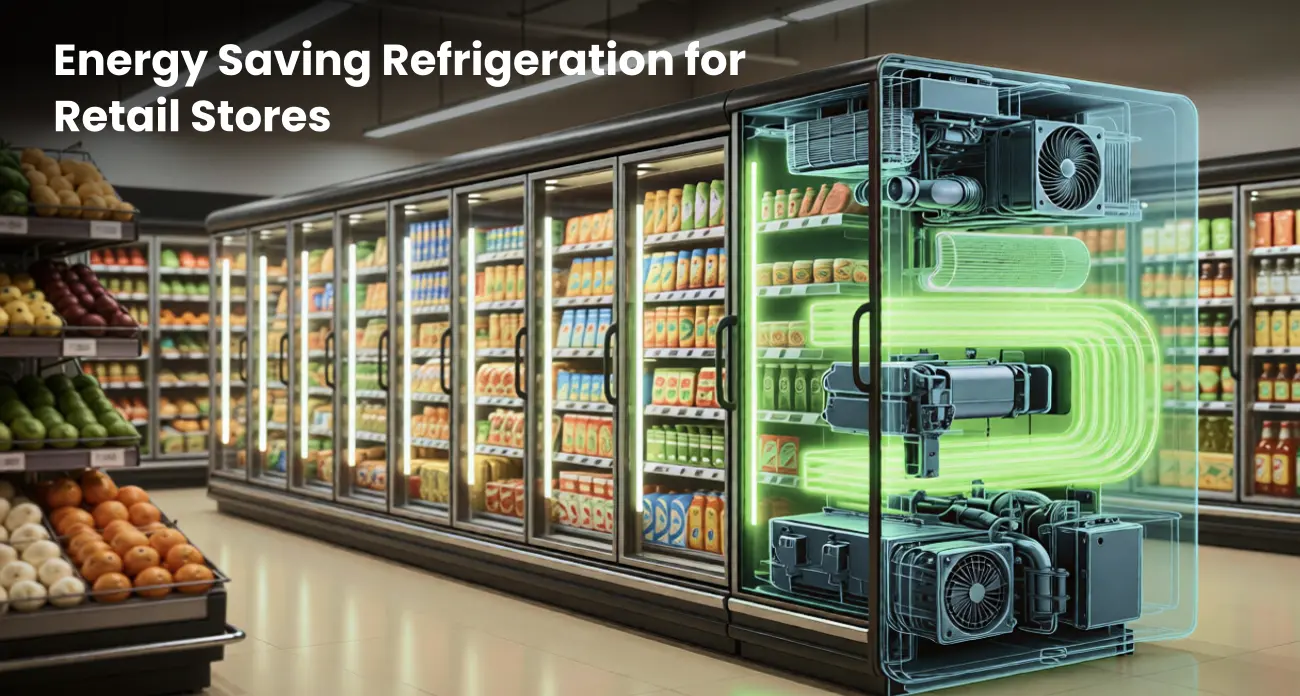
A refrigeration system operates through a cooling cycle involving:
- Compressors
- Condensers
- Evaporators
- Expansion valves
- Refrigerants
The refrigerant absorbs heat from the storage area and releases it outside the system, maintaining controlled temperatures for chilled or frozen products.
Modern systems now integrate:
- Automated refrigeration controls
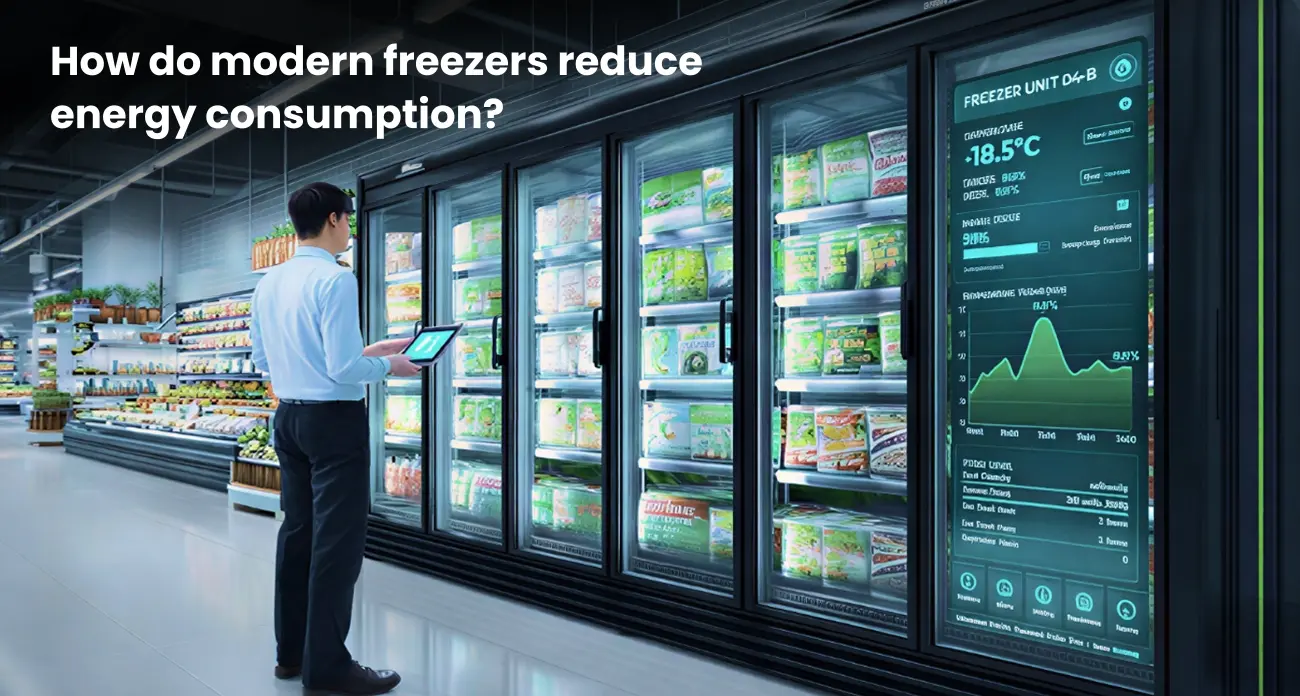
- Digital refrigeration monitoring
- IoT refrigeration monitoring systems
- AI-based refrigeration systems
These technologies help traders optimize energy use and reduce downtime.
Types of Commercial Refrigeration Systems
There are several types of commercial refrigeration systems used in store operations environments.
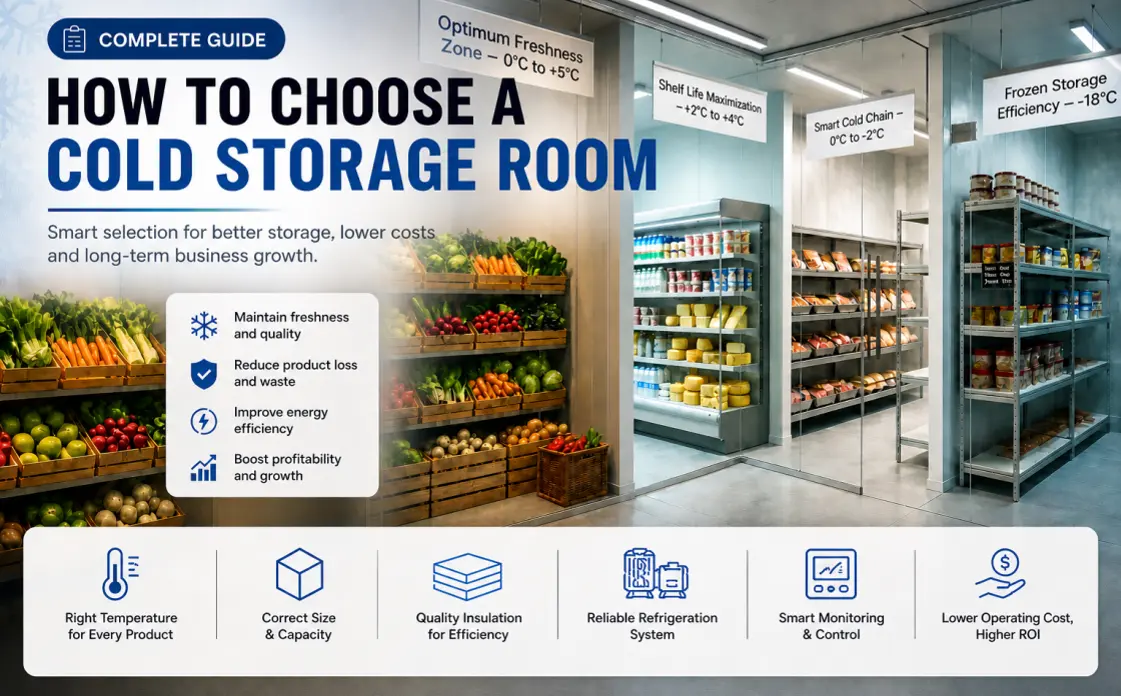
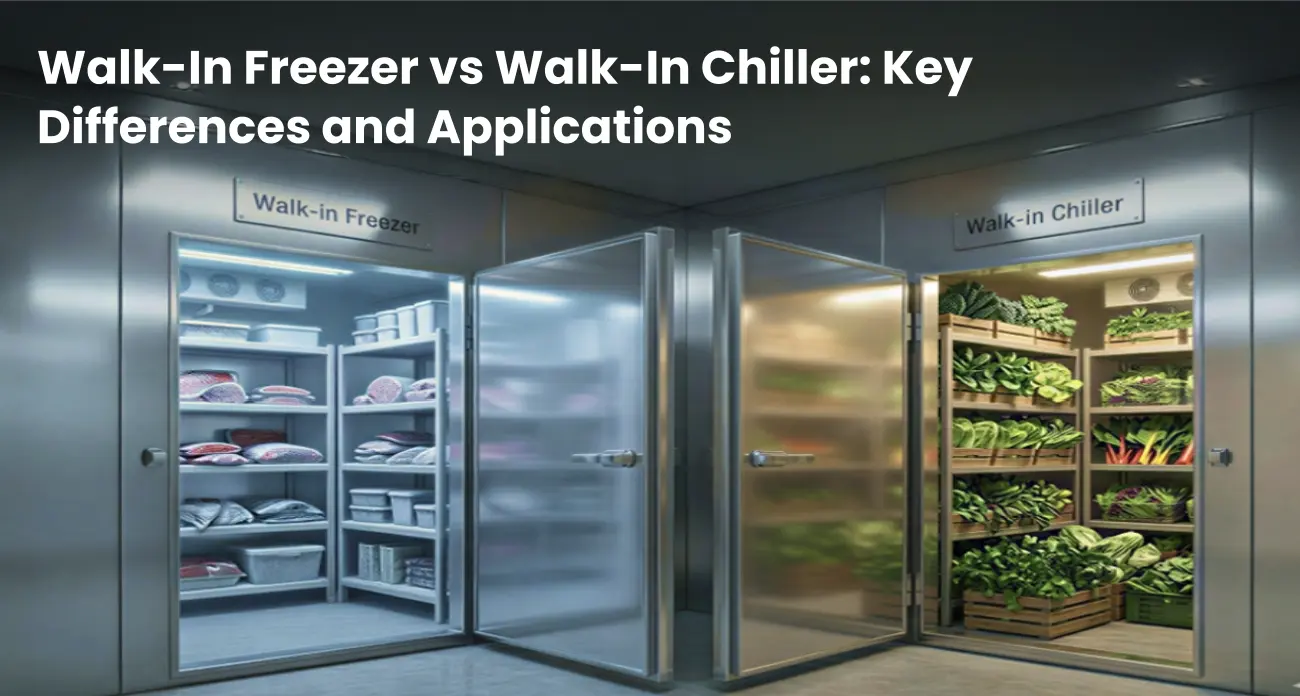
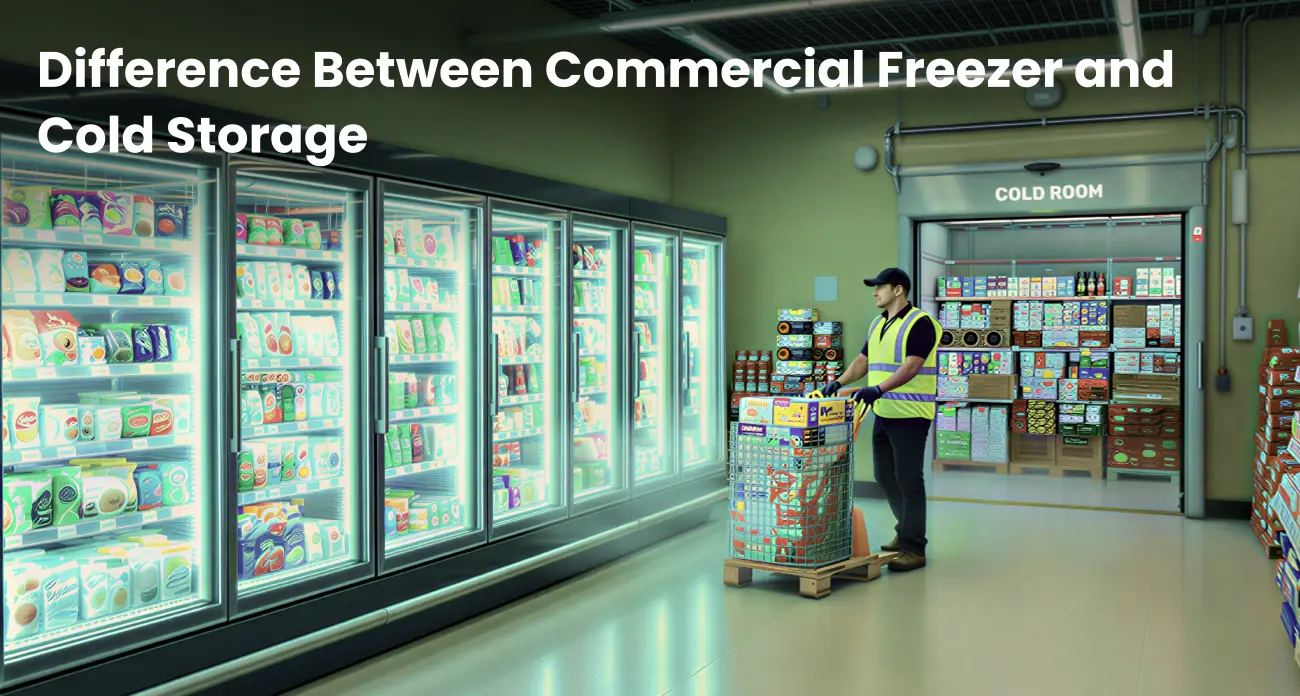
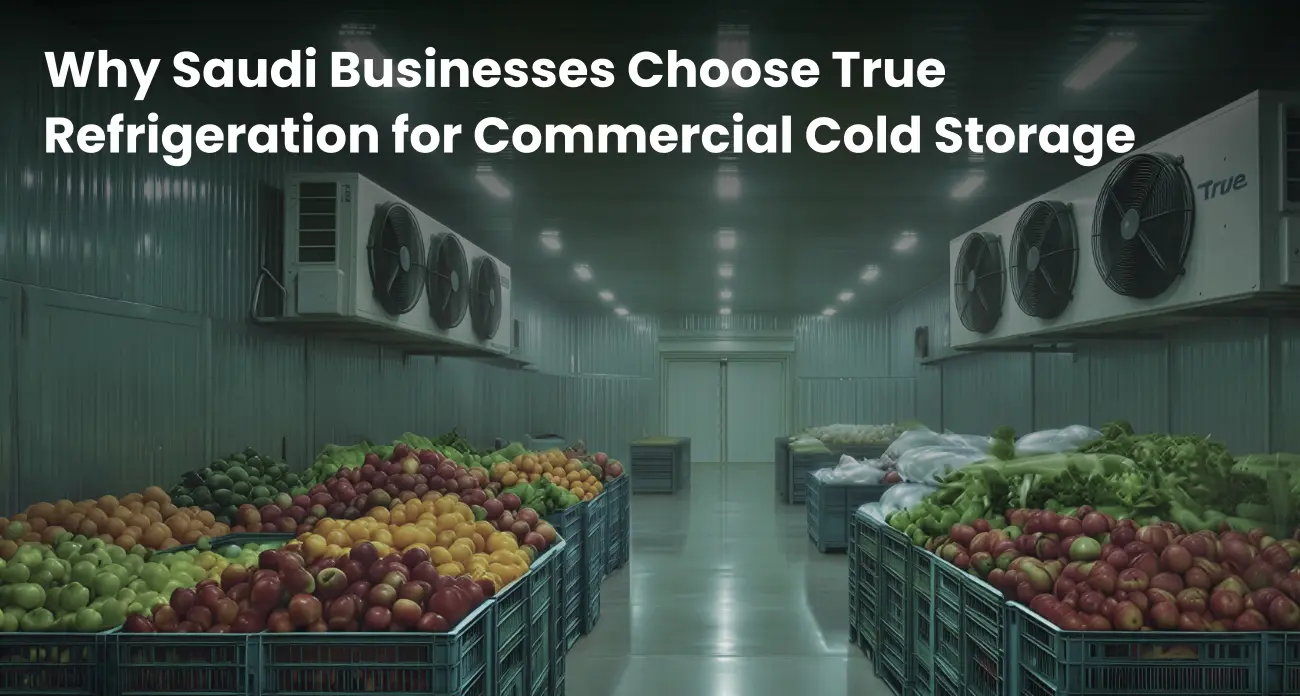
1. Walk-In Chillers & Freezers
These are ideal for:
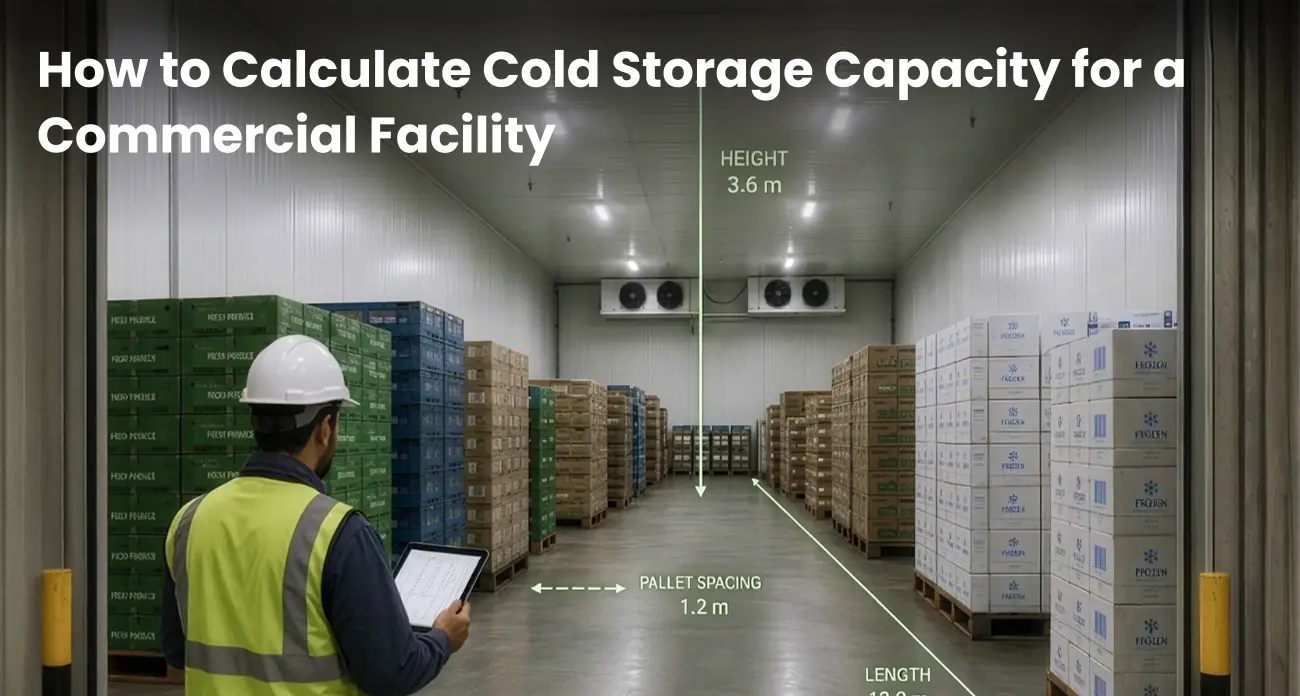
- Cold storage for supermarkets
- Food warehouses
- Hypermarket cooling solutions
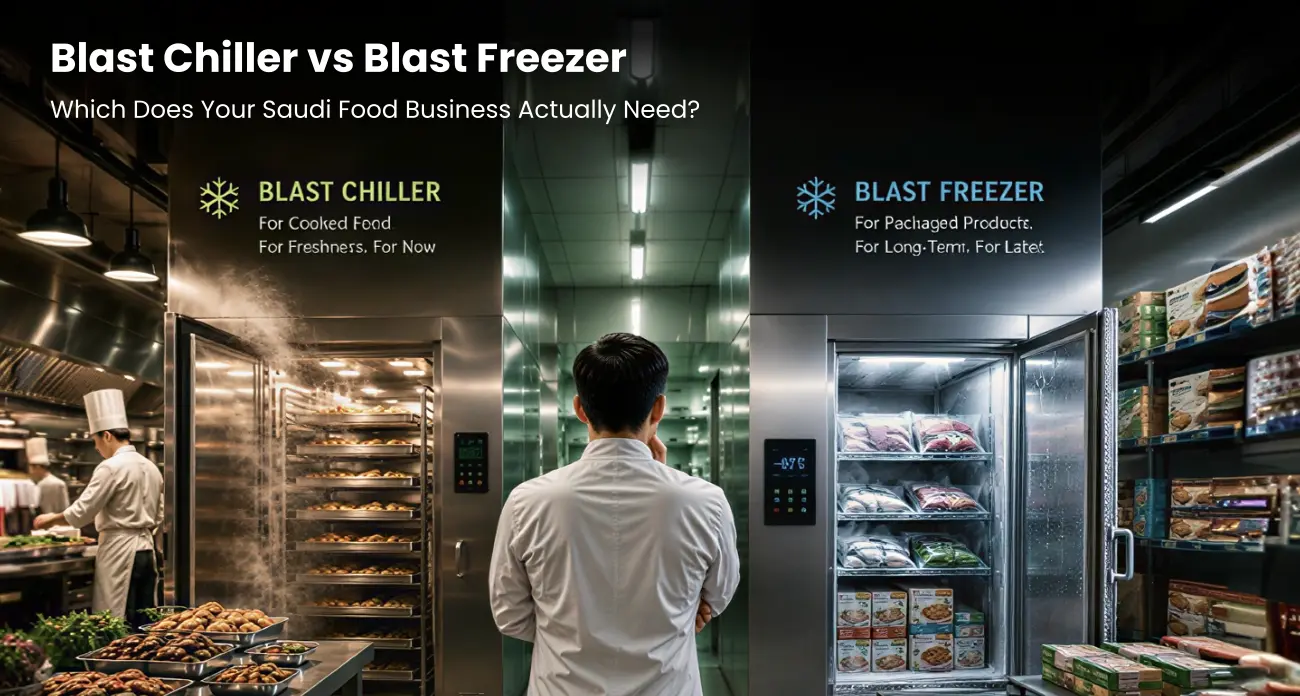
They provide large-capacity temperature-controlled storage for dairy, meat, frozen foods, and beverages.
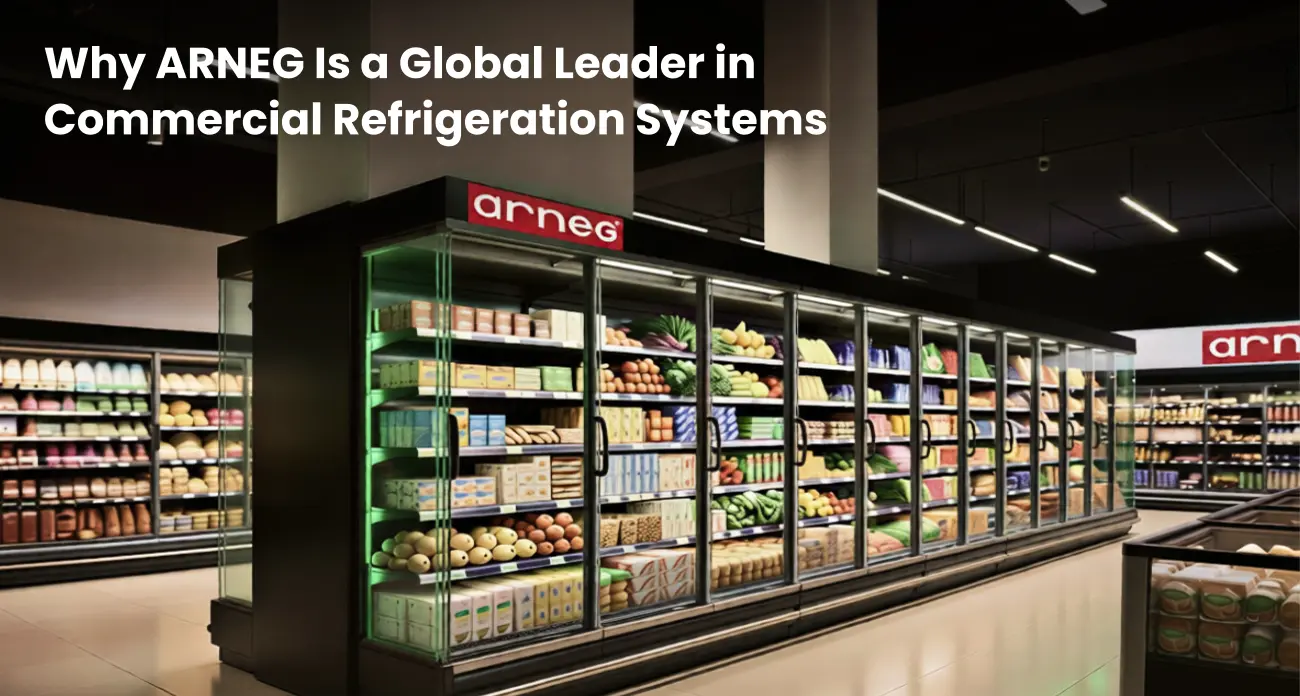
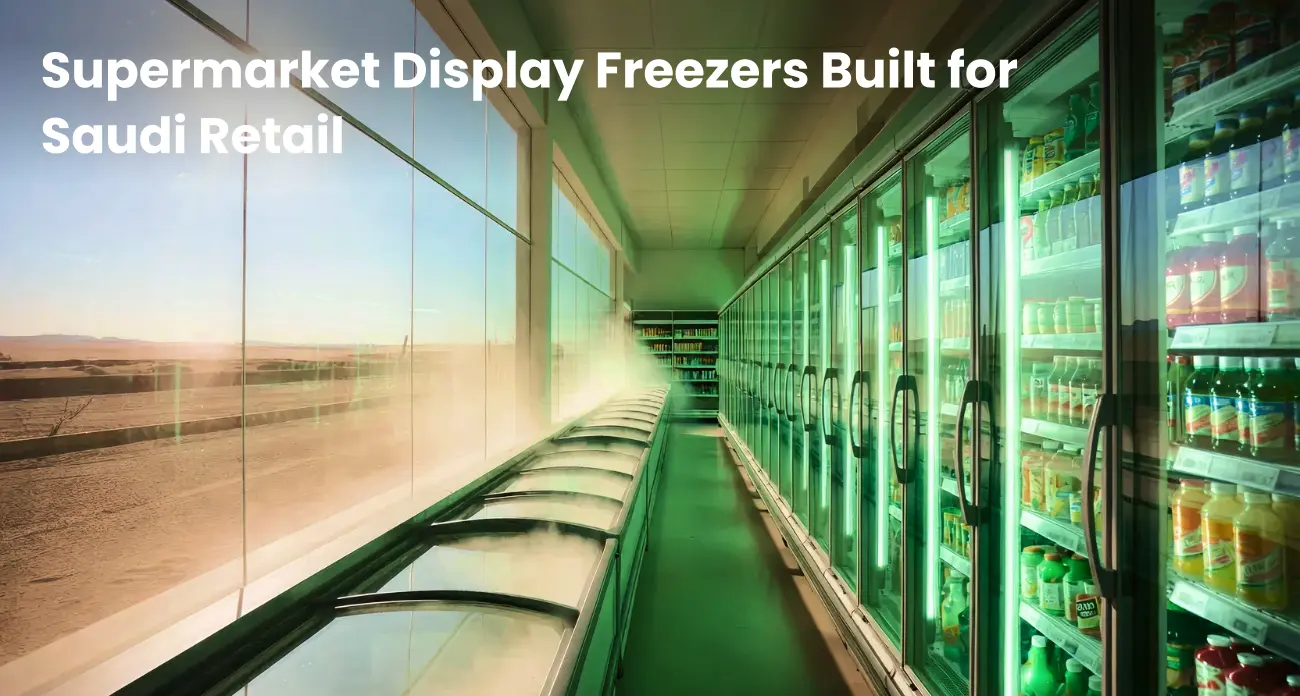
2. Display Refrigeration Units
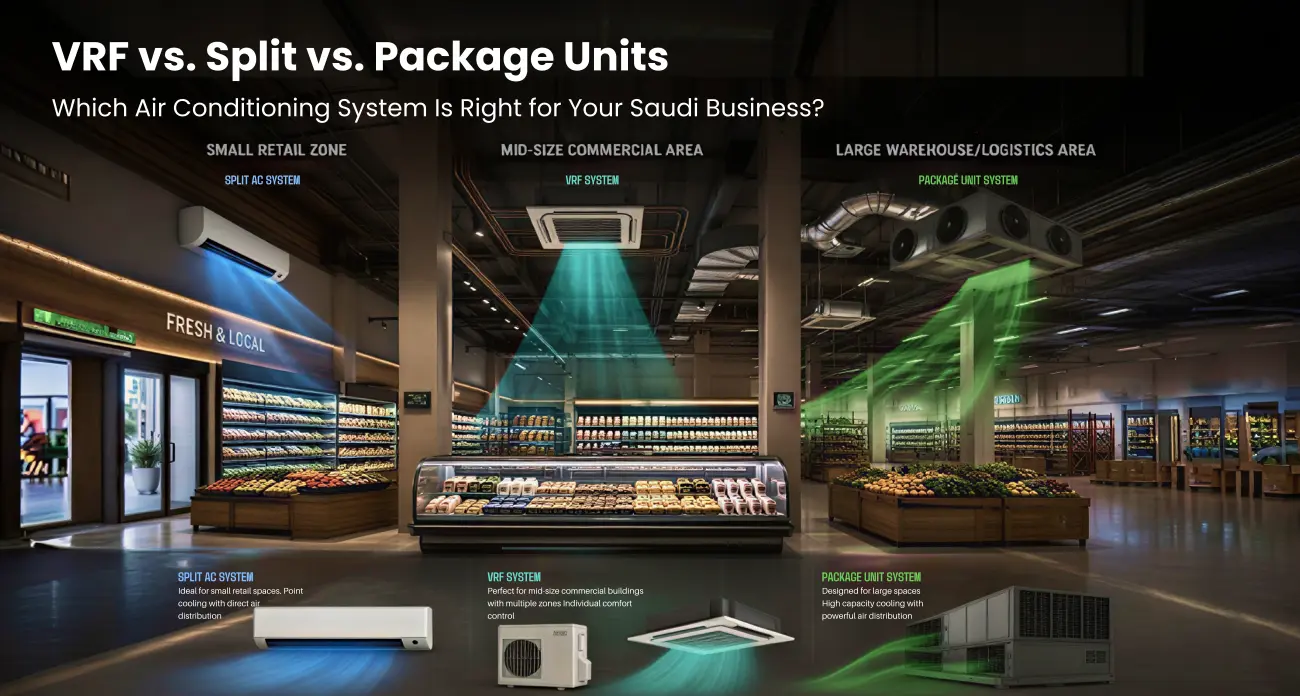
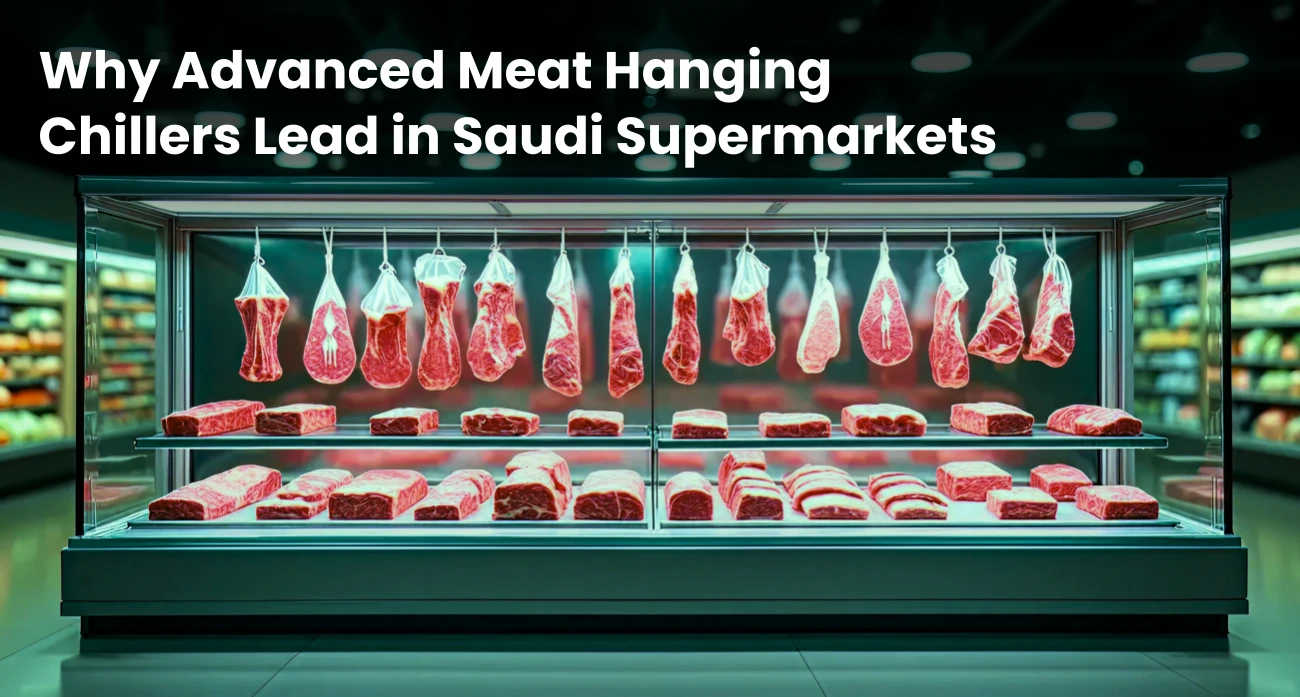
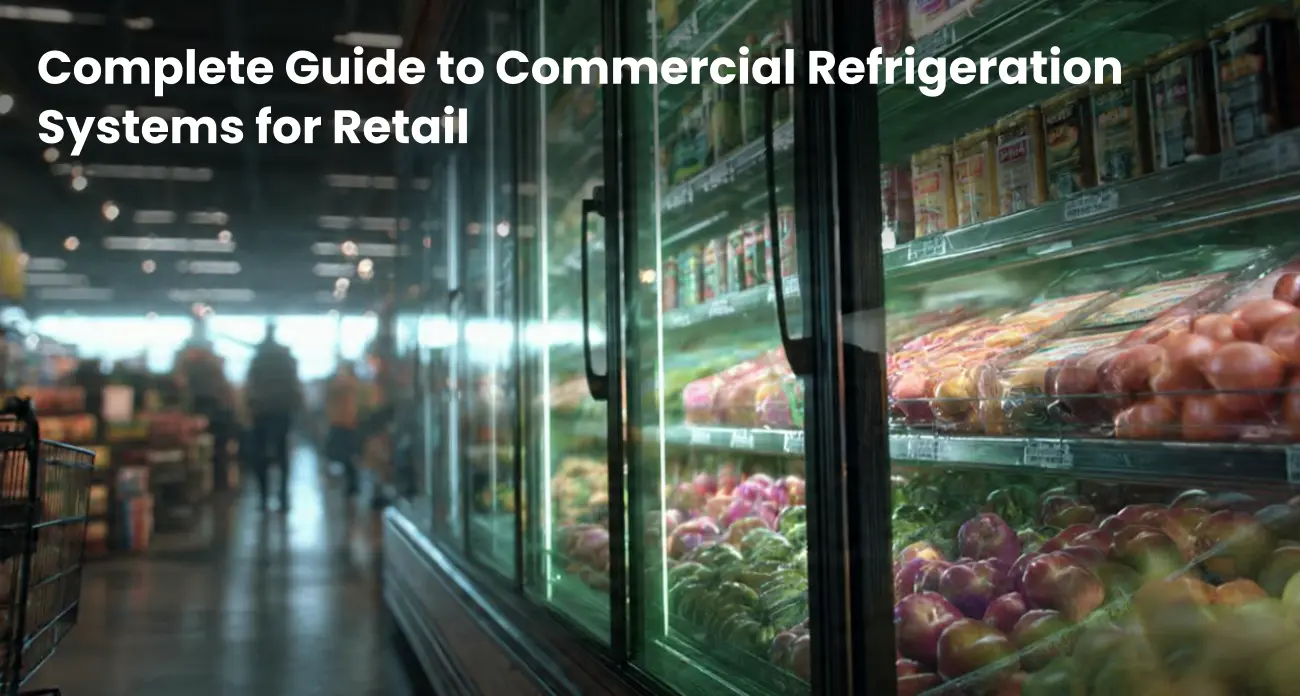
Used in supermarkets and grocery stores to showcase products while maintaining freshness.
Examples include:
- Open chillers
- Glass-door freezers
- Refrigerated counters
3. Refrigeration for Convenience Stores
Compact and energy-efficient systems designed for smaller sales spaces with limited storage requirements.
4. Commercial Cold Storage Systems
Large-scale systems designed for:
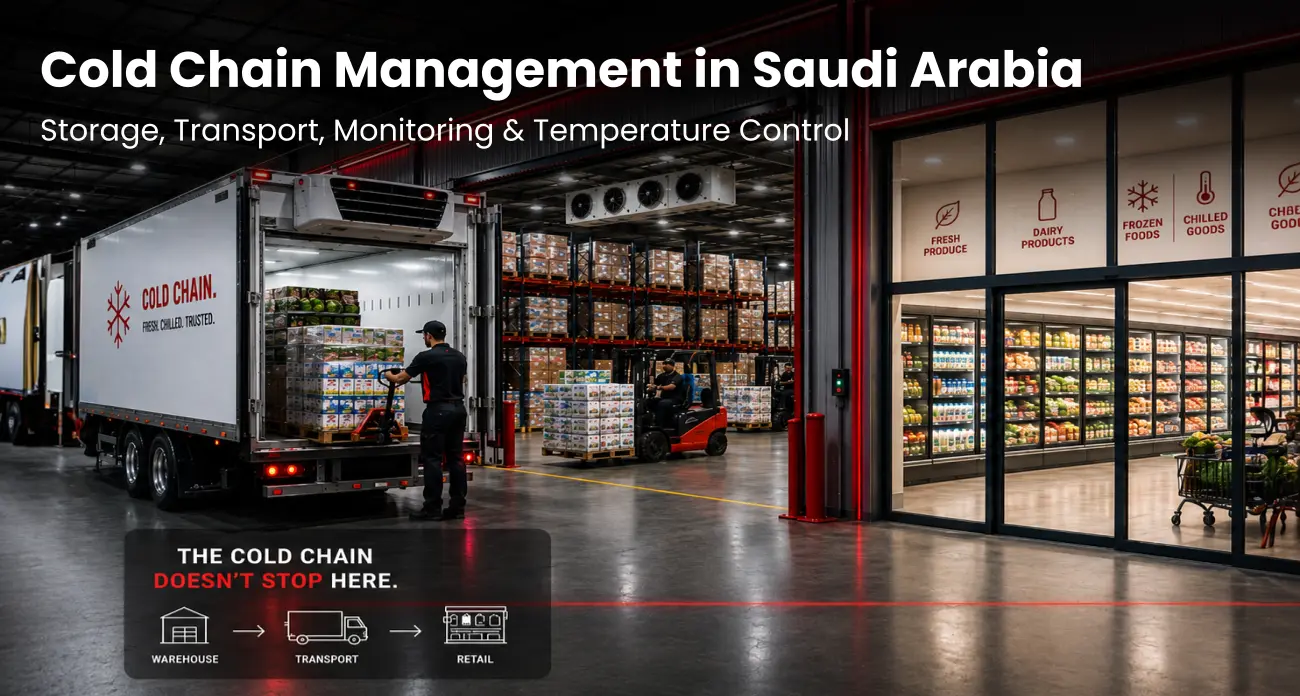
- Logistics centers
- Distribution hubs
- Food processing facilities
These systems support long-term preservation and cold chain management.
Energy-Efficient Refrigeration Systems for Supermarkets
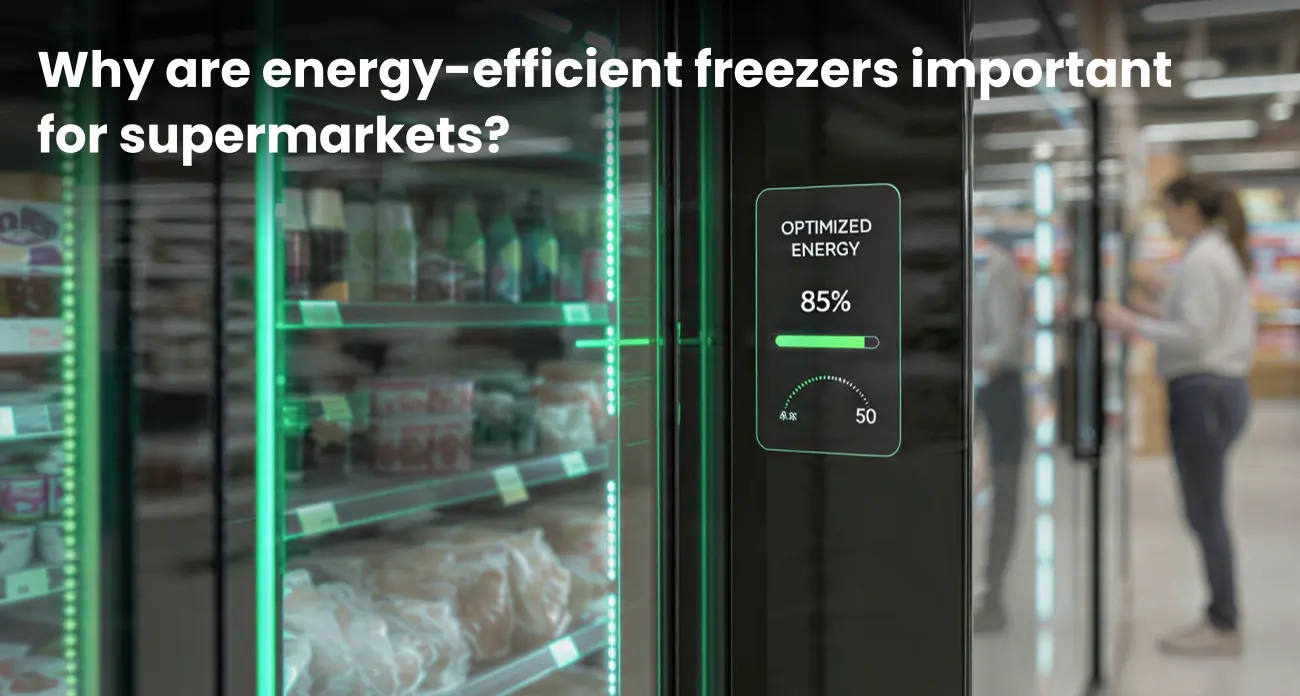
Energy consumption is one of the largest operational expenses in commercial refrigeration. This is why businesses are increasingly investing in energy efficient refrigeration systems for supermarkets.
Modern systems now feature:
- Inverter compressors
- Smart energy saving refrigeration
- Advanced insulation systems
- Variable-speed fans
- Automated defrost systems
These technologies reduce electricity usage while maintaining stable cooling performance.
Benefits of Energy-Efficient Systems
- Lower operational costs
- Reduced carbon emissions
- Improved equipment lifespan
- Better temperature stability
Sustainability has become a major focus in the refrigeration industry.
Modern commerce systems increasingly use:
- Refrigeration systems with R290 refrigerant
- CO2 refrigeration systems for supermarkets
R290 Refrigerant Sustainable Refrigeration Solutions: R290 & CO2 Systems
R290 is a natural refrigerant known for:
- High energy efficiency
- Low environmental impact
- Reduced Global Warming Potential (GWP)
CO2 Refrigeration Systems
CO2 systems are commonly used in:
- Large supermarkets
- Hypermarkets
- Industrial cold storage systems
These systems support sustainable cooling while meeting environmental regulations.
Smart Refrigeration Technologies Transforming Retail
Today’s commercial industry is evolving rapidly with intelligent technologies.
IoT Refrigeration Monitoring Systems
IoT-enabled systems provide:
- Real-time temperature tracking
- Performance monitoring
- Automated alerts
- Remote diagnostics
AI-Based Refrigeration Systems
Artificial intelligence helps optimize:
- Cooling cycles
- Energy consumption
- Predictive maintenance schedules
Predictive Maintenance Refrigeration Systems
Predictive systems identify potential issues before breakdowns occur, reducing downtime and maintenance costs.
Choosing the Right Commercial Refrigeration System Supplier
Selecting a reliable commercial refrigeration system supplier is essential for long-term performance and operational reliability.
Businesses should evaluate:
- Industry experience
- Installation expertise
- Maintenance support
- Energy-efficiency capabilities
- AMC services
Professional supermarket refrigeration contractors and cold room installation companies can help design customized refrigeration solutions based on operational needs.
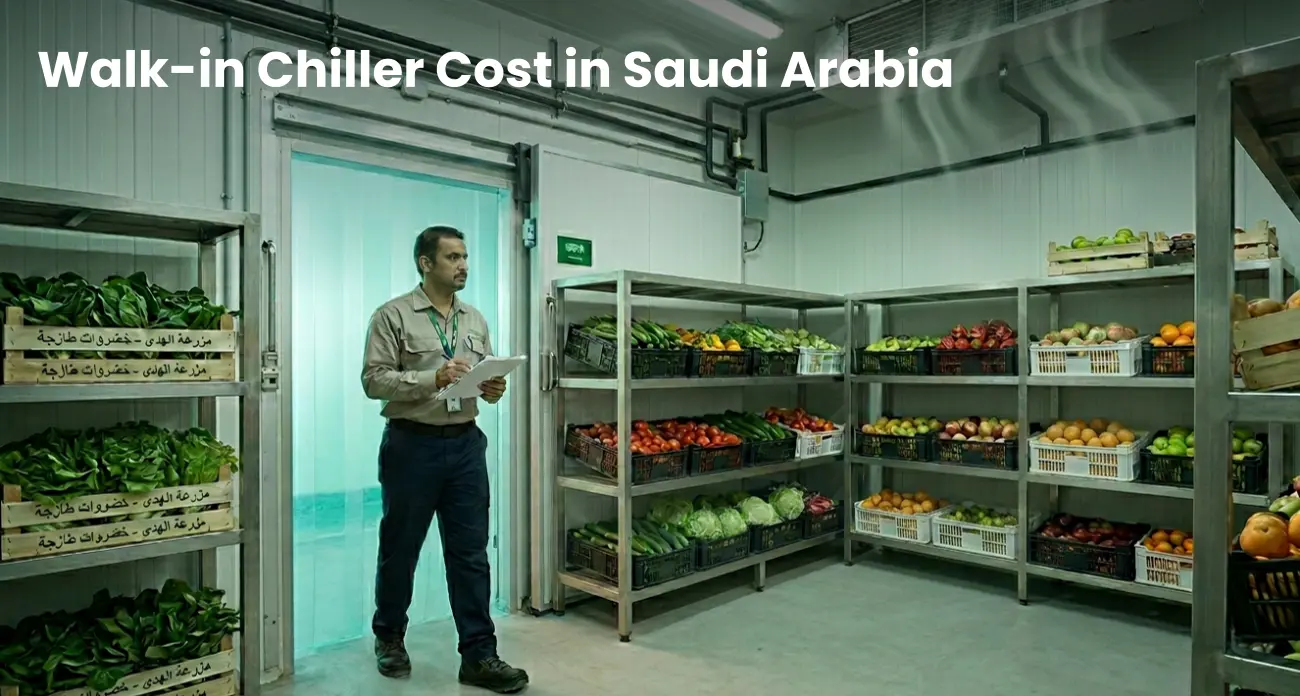
Commercial Refrigeration System Price & Installation
One of the most common business questions is: How much does a commercial refrigeration system cost?
The commercial refrigeration system price depends on: System size, cooling capacity, refrigerant type, automation features and installation complexity.
Businesses looking to buy commercial refrigeration systems should focus on long-term operational value rather than upfront cost alone.
Commercial Refrigeration Maintenance & AMC
Even advanced systems require regular servicing to maintain efficiency and compliance.
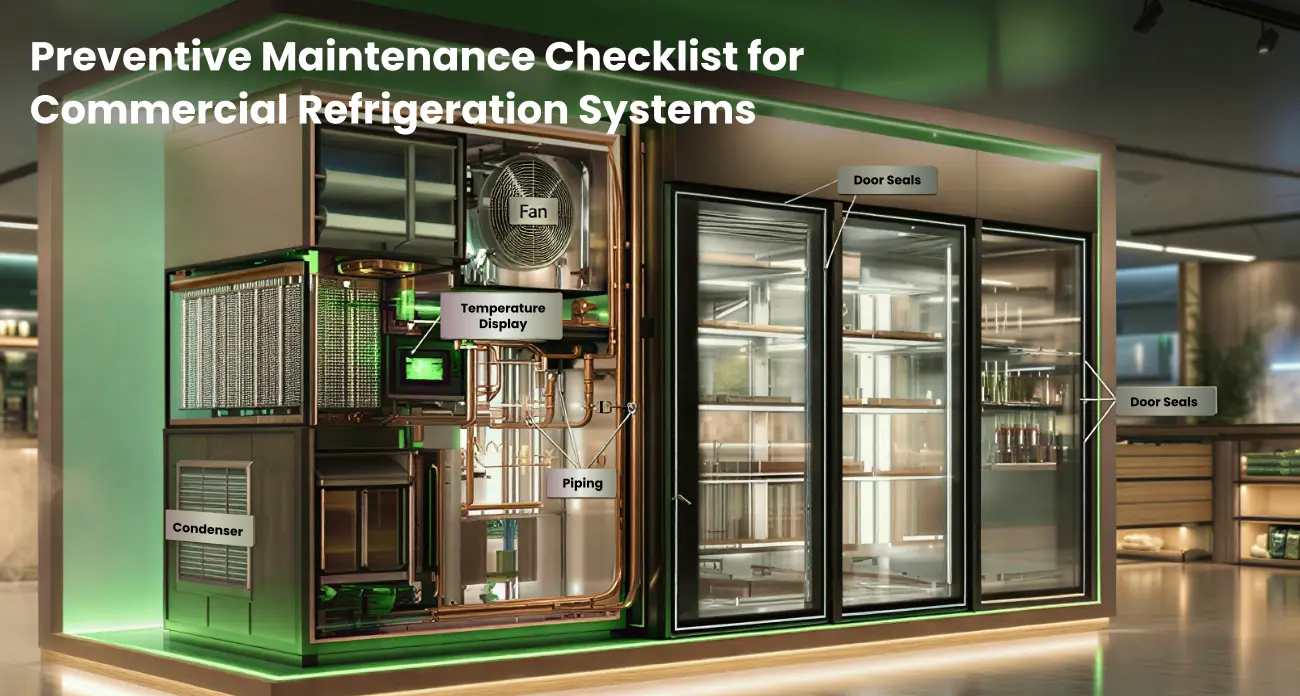
Refrigeration Preventive Maintenance Checklist
A proper maintenance program should include:
- Condenser coil cleaning
- Refrigerant level inspection
- Compressor performance checks
- Temperature calibration
- Door seal inspection
Refrigeration Maintenance SOP
A structured refrigeration maintenance SOP helps retailers:
- Reduce downtime
- Improve food safety compliance
- Extend equipment lifespan
- Maintain cooling efficiency
Refrigeration System AMC Contract
AMC services ensure:
- Preventive maintenance
- Emergency repair support
- System performance optimization
Commercial Refrigeration Solutions Across the Consumer Goods Sector in the UAE, KSA, and the Middle East
The demand for advanced refrigeration solutions is rapidly increasing across the Middle East.
Businesses are actively searching for:
- Supermarket cooling systems Riyadh
- Refrigeration solutions KSA
- Cold storage systems Middle East
- Commercial refrigeration contractors near me
Retail expansion and food safety regulations are driving investments in modern cooling infrastructure.
Best Practices for Retail Refrigeration Efficiency
To improve system reliability and energy performance:
- Maintain proper airflow around refrigeration units
- Avoid overloading freezers
- Monitor temperatures regularly
- Schedule preventive maintenance
- Use digital refrigeration monitoring systems
- Upgrade to energy-efficient compressors
These practices significantly improve refrigeration system efficiency and operational stability.
Final Insight
Commercial refrigeration is no longer just about cooling products. It is a strategic investment that directly impacts operational efficiency, food safety, sustainability, and profitability.
Businesses that adopt smart supermarket refrigeration, energy-efficient technologies, and structured maintenance practices gain a significant competitive advantage in today’s commercial marketplace.
As the industry continues to evolve, investing in intelligent and sustainable refrigeration systems will become essential for long-term retail success.
Frequently Asked Questions
What is a commercial refrigeration system?
A commercial refrigeration system is a cooling solution designed to preserve perishable goods in retail, supermarket, and industrial environments.
Which refrigeration system is best for supermarkets?
The best system depends on store size, storage requirements, and energy goals. Modern supermarkets often use centralized refrigeration systems with smart monitoring technologies.
Why are energy-efficient refrigeration systems important?
They reduce electricity consumption, lower operational costs, and improve sustainability.
How often should refrigeration systems be serviced?
Commercial refrigeration systems should generally be serviced every 3 to 6 months to maintain efficiency and prevent failures.