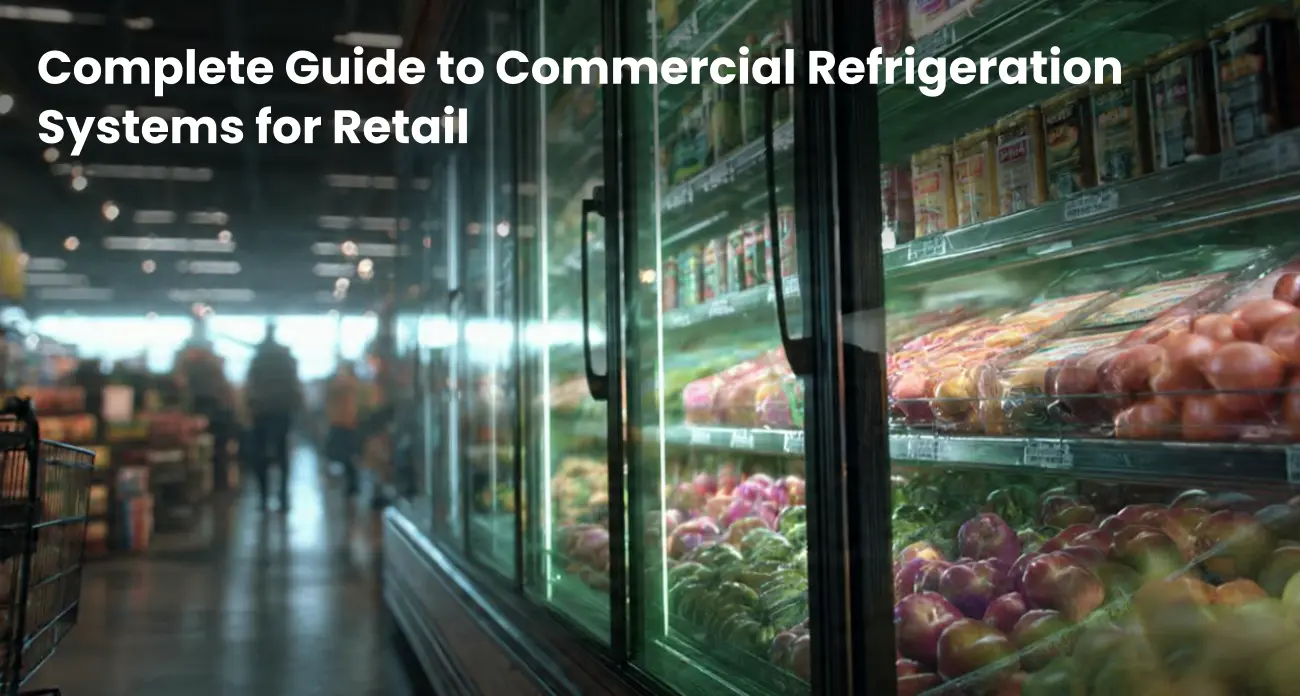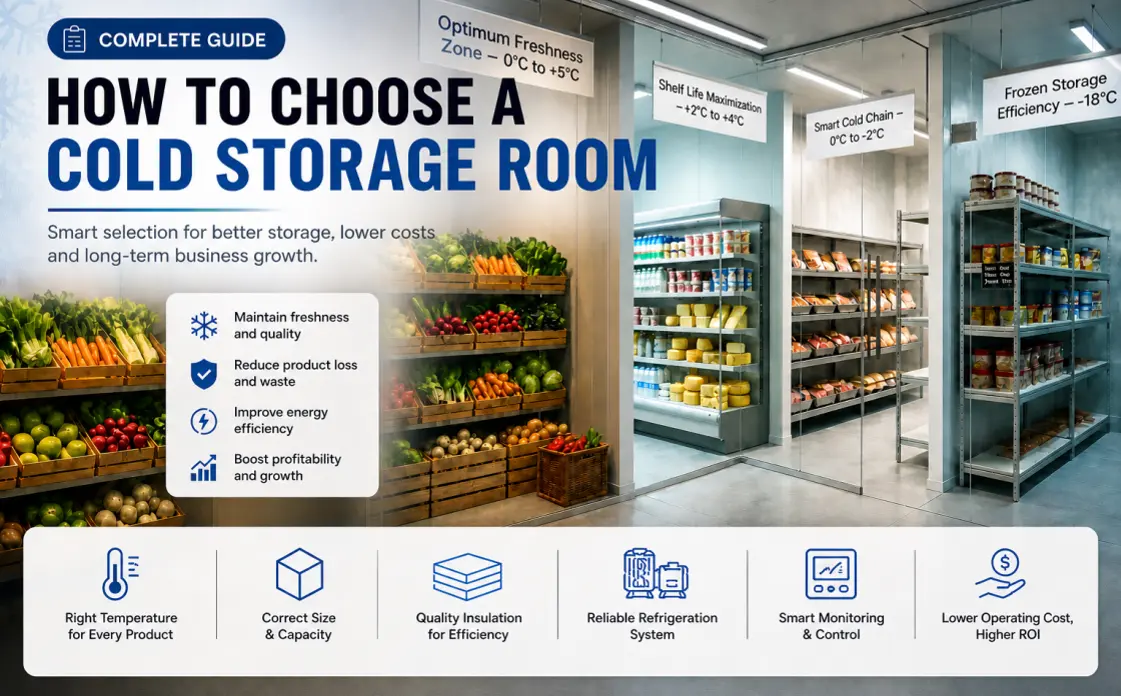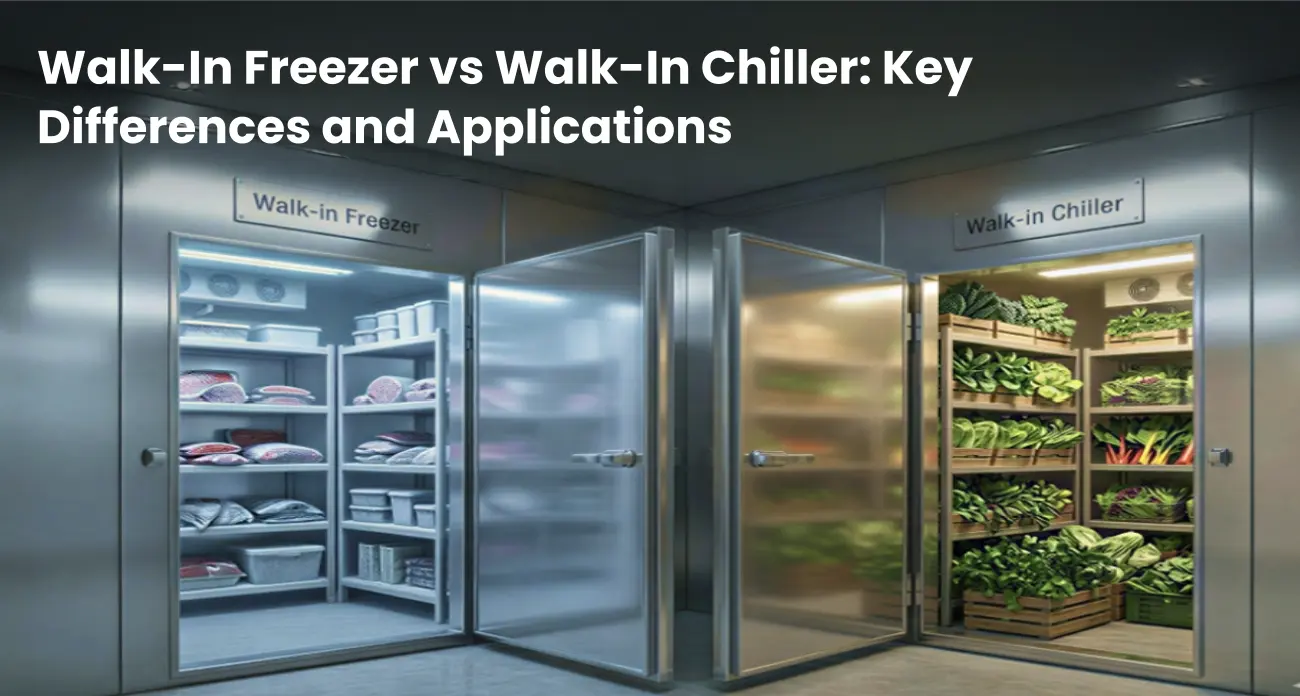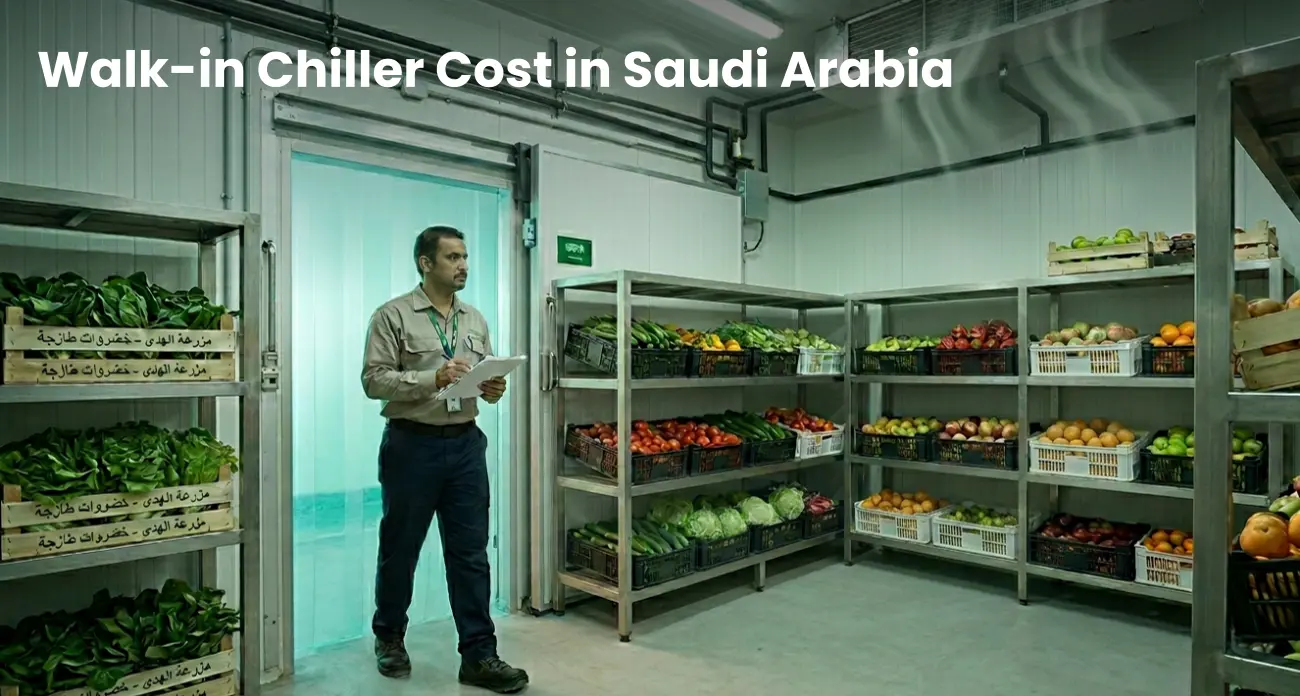
Supermarkets depend heavily on refrigeration systems to preserve food quality, maintain safety standards, and ensure smooth day-to-day operations. From frozen foods and dairy products to ready-to-eat meals, consistent cooling is critical. However, these refrigeration systems are also among the largest consumers of electricity in retail environments, often accounting for a significant portion of operational costs.
This is where energy-efficient freezers become essential. They are not just an upgrade in equipment—they represent a strategic investment that directly impacts profitability, sustainability, and long-term business performance.
Let’s explore why energy-efficient freezers are becoming a necessity for modern supermarkets.
What Are Energy-Efficient Freezers?
Energy-efficient freezers are designed to reduce electricity consumption while delivering consistent and reliable cooling performance. Unlike conventional systems that operate at fixed speeds and consume more power, modern freezers adapt intelligently to real-time cooling demands.
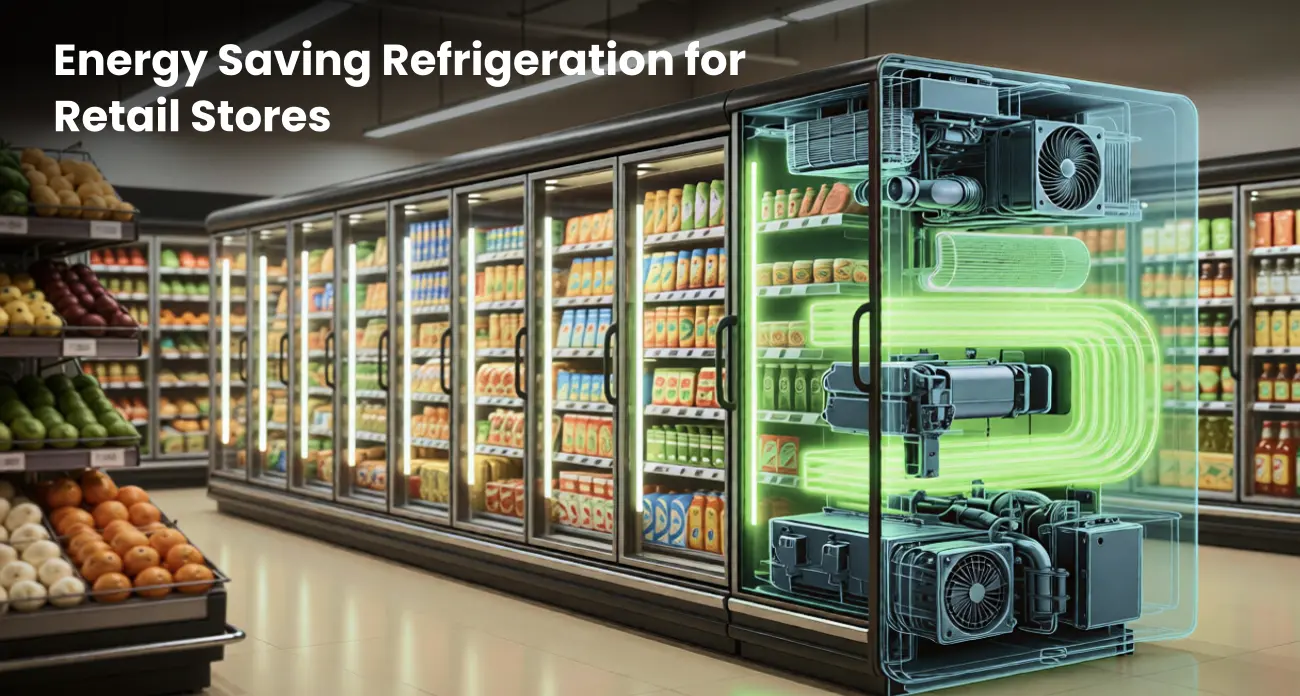
They typically incorporate advanced technologies such as inverter compressors, smart sensors, high-performance insulation, and optimized refrigeration cycles. These innovations work together to ensure that is used efficiently, without unnecessary waste.
In simple terms, the goal is clear:
Deliver maximum cooling with minimum energy usage
1. Significant Reduction in Electricity Costs
Electricity is one of the highest recurring expenses for supermarkets, especially those operating 24/7. Traditional freezers often run at full capacity regardless of demand, leading to excessive energy consumption.
Energy-efficient freezers address this issue by adjusting their performance dynamically. They consume only the power required to maintain the desired temperature, reducing both overall energy usage and peak load demand.
As a result, supermarkets can experience:
- Lower monthly electricity bills
- Reduced strain on electrical infrastructure
- Improved profit margins
Even a modest improvement in energy efficiency can lead to substantial long-term savings, especially for large retail chains with multiple refrigeration units.
2. Supports Sustainability and Environmental Goals
Sustainability has become a key focus for businesses worldwide, and supermarkets are no exception. Customers are increasingly favouring brands that show a genuine commitment to environmental responsibility.
Energy saving contribute to sustainability by:
- Reducing carbon emissions
- Using eco-friendly refrigerants
- Minimizing overall consumption
This helps supermarkets:
- Meet regulatory requirements
- Align with green building standards
- Strengthen their brand image
In today’s competitive market, sustainability is not just ethical—it’s a powerful business differentiator.
3. Smart Technology Enhances Performance
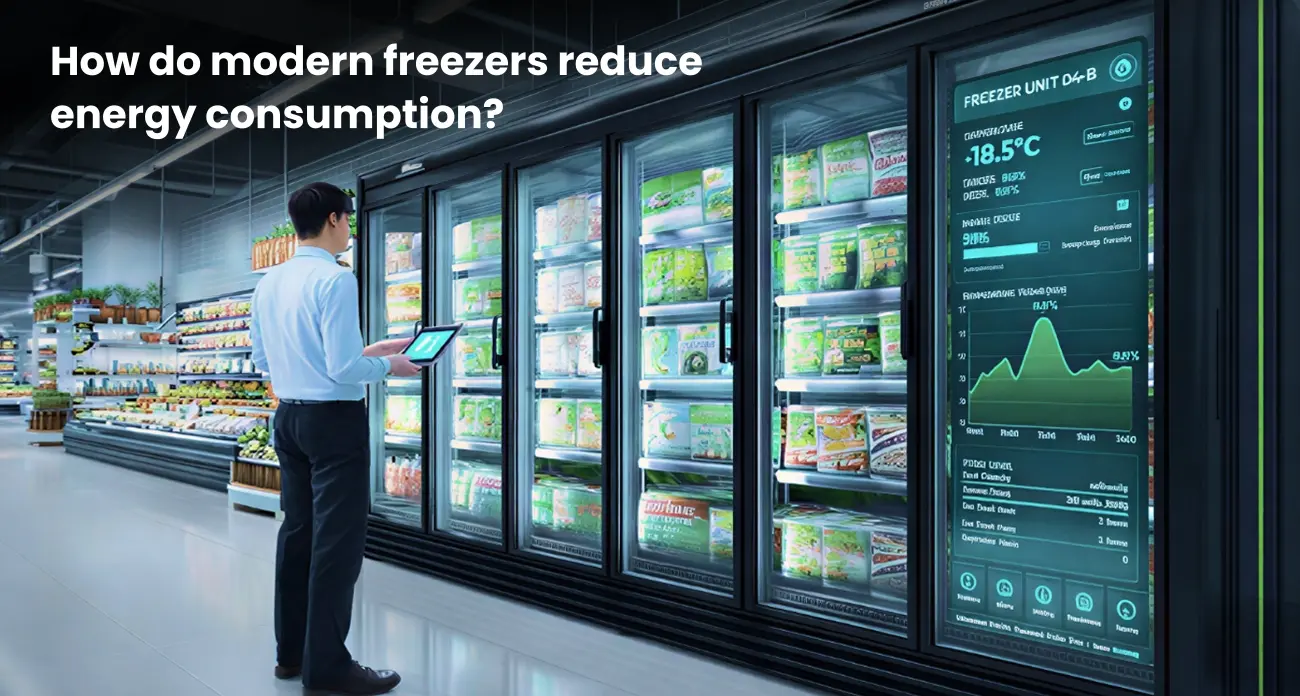
Modern freezers are equipped with intelligent systems that continuously monitor and optimize performance. These systems ensure that cooling is delivered precisely when and where it is needed.
Key technologies include:
- Load-based cooling adjustments
- Real-time temperature sensors
- Smart defrost mechanisms
These features help prevent overcooling, reduce unnecessary power use, and maintain consistent internal conditions. Unlike traditional systems, which operate blindly, smart freezers respond dynamically to changes in usage and environment.
The result is improved efficiency, better performance, and enhanced reliability.
4. Improved Temperature Stability Reduces Product Loss
Temperature fluctuations are one of the biggest risks in supermarket refrigeration. Even slight variations can lead to food spoilage, reduced shelf life, and financial losses.
Energy-efficient freezers are designed to maintain stable and uniform temperatures, ensuring optimal storage conditions at all times. They also promote proper air circulation, which helps eliminate hot or cold spots inside the unit.
This leads to:
- Longer product shelf life
- Reduced wastage
- Better product quality
For supermarkets, this translates directly into cost savings and improved customer satisfaction.
5. Essential for Large-Scale Supermarket Operations
Modern supermarkets operate multiple refrigeration systems simultaneously, including display freezers, storage units, and cold rooms. Managing energy consumption across these systems can be challenging.
Energy-efficient freezers help streamline operations by:
- Optimizing total power usage
- Balancing load across multiple units
- Improving system-wide efficiency
For large retail chains and hypermarkets, this level of optimization is critical. It ensures that operations remain cost-effective, scalable, and sustainable.
6. Lower Maintenance and Operational Costs
Another key advantage of energy-efficient freezers is their reduced maintenance requirements. Because these systems operate more smoothly and avoid frequent start-stop cycles, they experience less wear and tear.
This results in:
- Fewer breakdowns
- Reduced repair costs
- Longer equipment lifespan
In addition, advanced monitoring systems can detect issues early, allowing for proactive maintenance and minimizing downtime.
7. Higher ROI and Long-Term Value
While efficient freezers may require a higher initial investment, they offer strong returns over time. The savings generated from reduced power consumption and maintenance costs quickly offset the upfront expense.
Supermarkets benefit from:
- Faster return on investment
- Lower operating expenses
- Increased operational efficiency
In the long run, efficient systems are far more cost-effective than traditional alternatives.
Traditional vs Efficient Freezers
| Feature | Traditional Freezer | Energy-Efficient |
|---|---|---|
| Energy Consumption | High | Low |
| Temperature Control | Basic | Smart & precise |
| Maintenance | Frequent | Minimal |
| Operational Cost | High | Optimized |
| Efficiency | Limited | Advanced |
Best Practices to Maximize Freezer Efficiency
Even with advanced technology, proper usage and maintenance are essential to achieve maximum efficiency.
Supermarkets should:
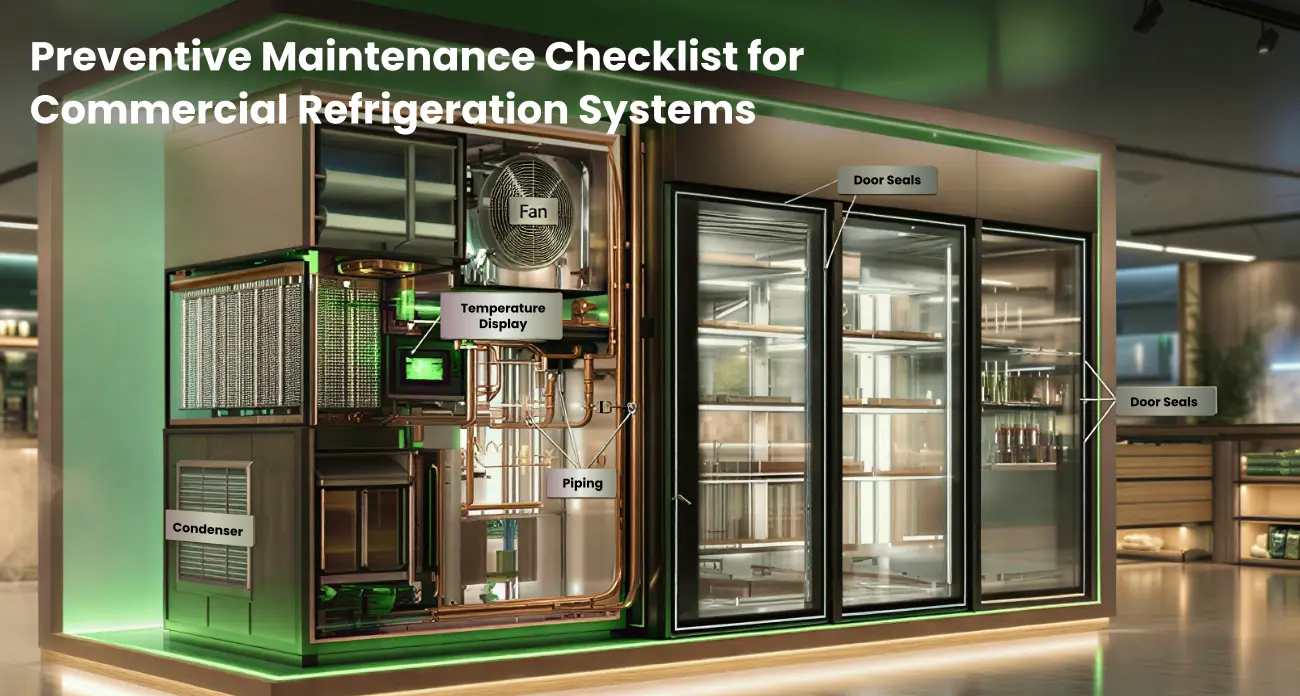
- Keep freezer doors closed as much as possible
- Maintain optimal temperature settings
- Clean condenser coils regularly
- Ensure proper airflow around units
- Avoid overloading or underloading
A well-maintained system not only performs better but also extends equipment life and further reduces energy consumption.
FAQs
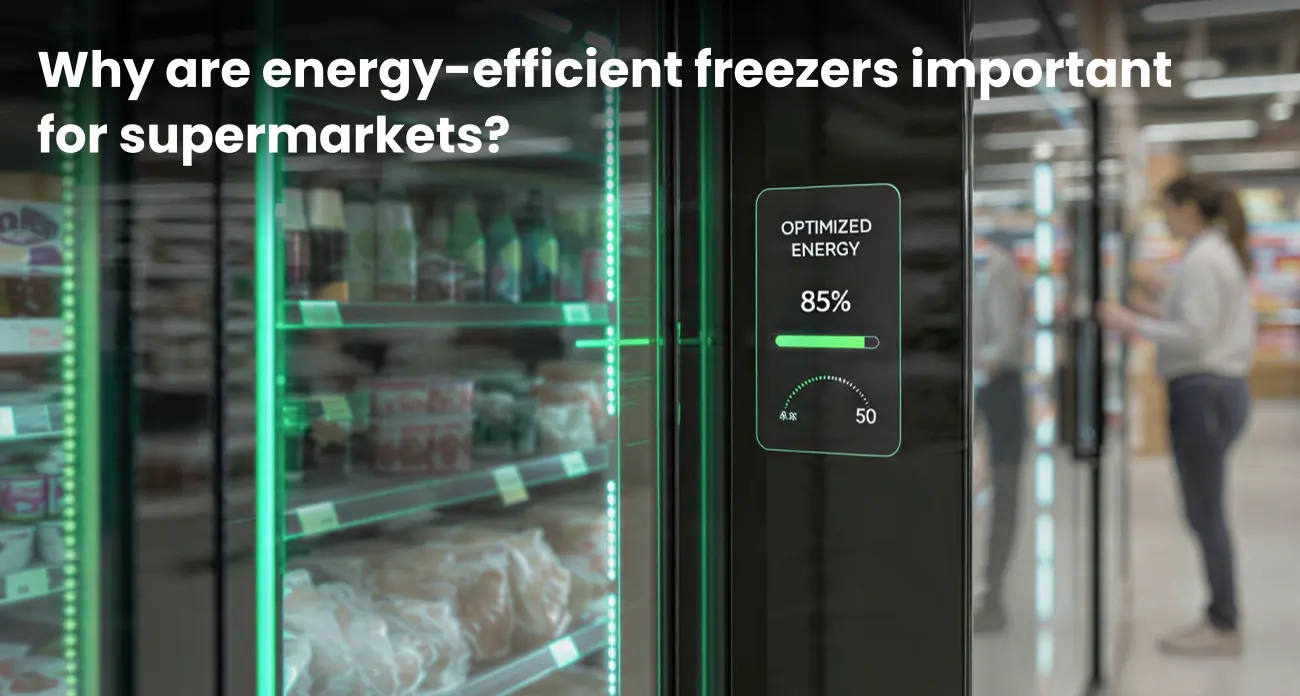
Why are energy-efficient freezers important for supermarkets?
They reduce electricity costs, improve cooling performance, support sustainability, and help maintain product quality.
Do efficient freezers really save money?
Yes. By consuming less power and reducing maintenance needs, they significantly lower operational costs over time.
What technologies make freezers energy efficient?
Inverter compressors, smart sensors, advanced insulation, and optimized refrigeration systems.
How do energy-efficient freezers reduce food wastage?
They maintain stable temperatures, preventing spoilage and extending the shelf life of products.
Final Insight
Energy saving are no longer a luxury—they are a business necessity for modern supermarkets. They help reduce costs, improve operational efficiency, and support sustainability goals, all while ensuring consistent product quality.
For supermarkets looking to stay competitive, adopting energy-efficient refrigeration is not just a smart decision—it is a strategic advantage that drives long-term success.