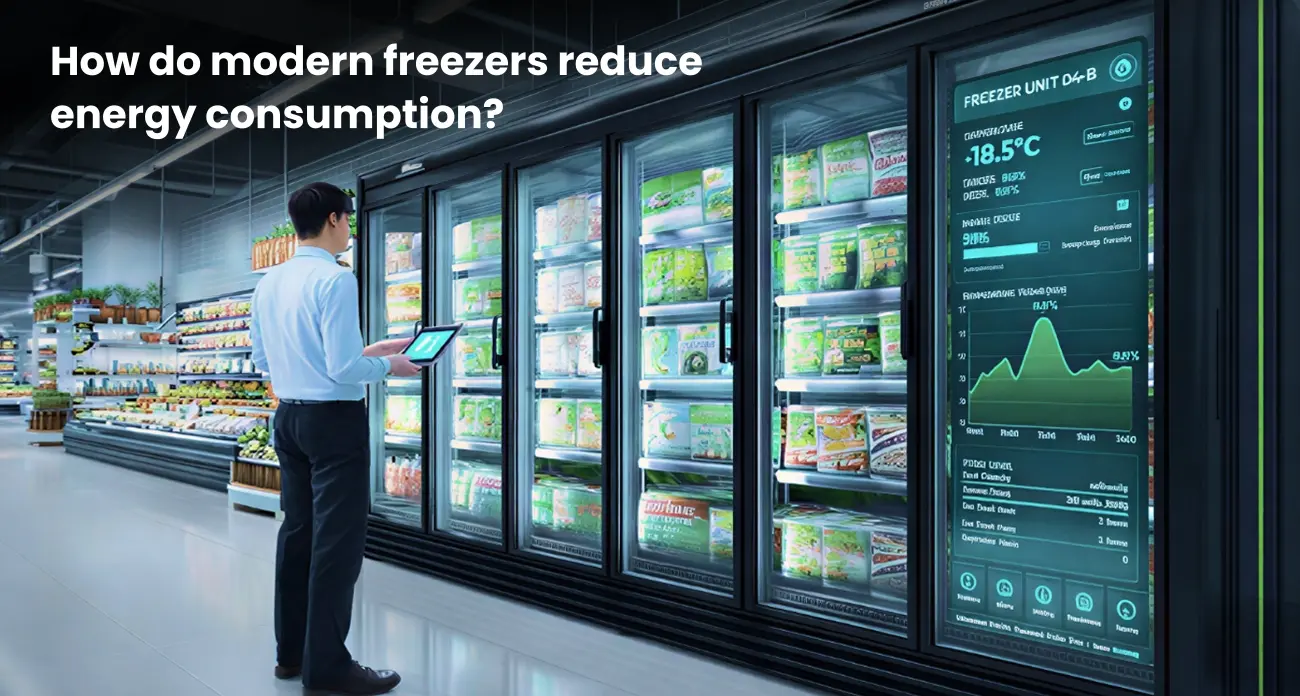
Modern freezers are no longer just cooling appliances—they are intelligent, energy-optimized systems designed to reduce electricity consumption while maintaining precise temperature control. Whether for homes, supermarkets, or cold storage warehouses, today’s freezers use advanced technologies like inverter compressors, smart sensors, and improved insulation to deliver maximum efficiency with minimal power usage.
So, how exactly do modern freezers reduce energy consumption? Let’s look at this in a straightforward and practical manner.
What Makes a Freezer Energy Efficient?
An energy-efficient freezer is designed to use only the power it needs—nothing more. Unlike older models that run at full capacity all the time, modern systems adjust their performance dynamically.
Key factors:
- Variable-speed compressors
- Smart temperature sensors
- Advanced insulation materials
- Optimized refrigeration cycles
- Airtight door sealing
In simple terms:
Efficiency = Smart control + Reduced waste + Consistent cooling
1. Inverter Compressor Technology
Modern freezers rely heavily on inverter compressor technology, which is the backbone of energy-efficient freezer technology.
How inverter compressors work:
- Traditional freezers → ON/OFF at full power
- Modern inverter freezers → Adjust speed based on cooling demand
Instead of restarting repeatedly, the compressor runs continuously at variable speeds, consuming less electricity.
Result:
- Up to 30–40% lower energy consumption
- Stable temperature
- Less wear and tear
Why it saves energy:
- No frequent start-stop cycles
- Reduced power spikes
- Optimized cooling load
2. Frost-Free / Auto Defrost Efficiency
Ice buildup inside freezers increases energy consumption. Modern freezers solve this with auto defrost (frost-free) systems.
How it works:
- Periodically melts frost on evaporator coils
- Prevents ice accumulation
- Maintains airflow and efficiency
Frost buildup forces compressors to work harder where auto-defrost ensures smooth operation and lower power usage.
Benefit:
- Consistent cooling
- Lower energy bills
- Reduced maintenance
3. Smart Freezer Technology & Sensors
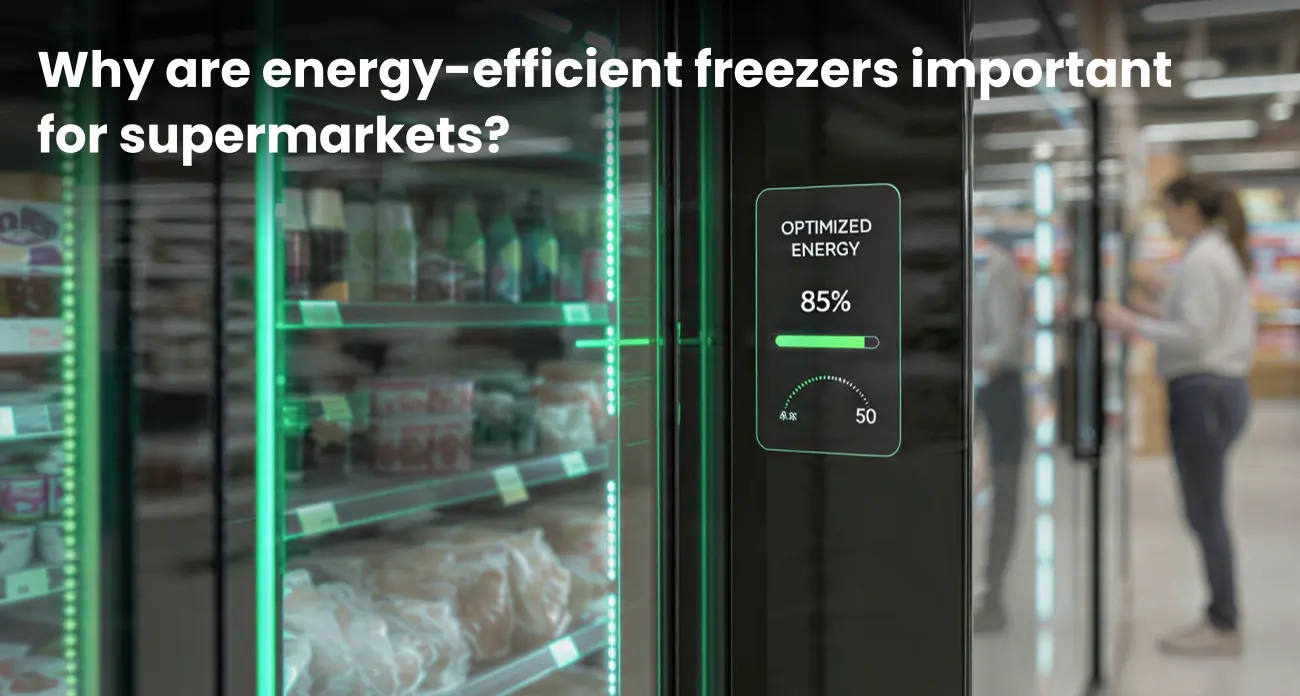
Modern freezers are becoming intelligent systems powered by sensors and smart controls.
Smart features include:
- Door opening detection
- Load-based cooling adjustment
- Ambient temperature monitoring
- AI-based cooling optimization
These sensors continuously monitor conditions and adjust compressor speed accordingly.
Example:
- Door opened → Cooling increases temporarily
- Stable condition → Compressor slows down
Result:
- No unnecessary energy usage
- Highly efficient operation
4. Advanced Insulation & Thermal Performance
One of the most underrated factors in low power consumption freezers is insulation.
Modern improvements:
- High-density polyurethane insulation
- Multi-layer thermal barriers
- Vacuum insulation panels (in advanced systems)
Better insulation = Less heat entering the freezer
This reduces the cooling load, meaning the compressor works less.
Real impact:
- Lower electricity consumption
- Longer cooling retention during power cuts
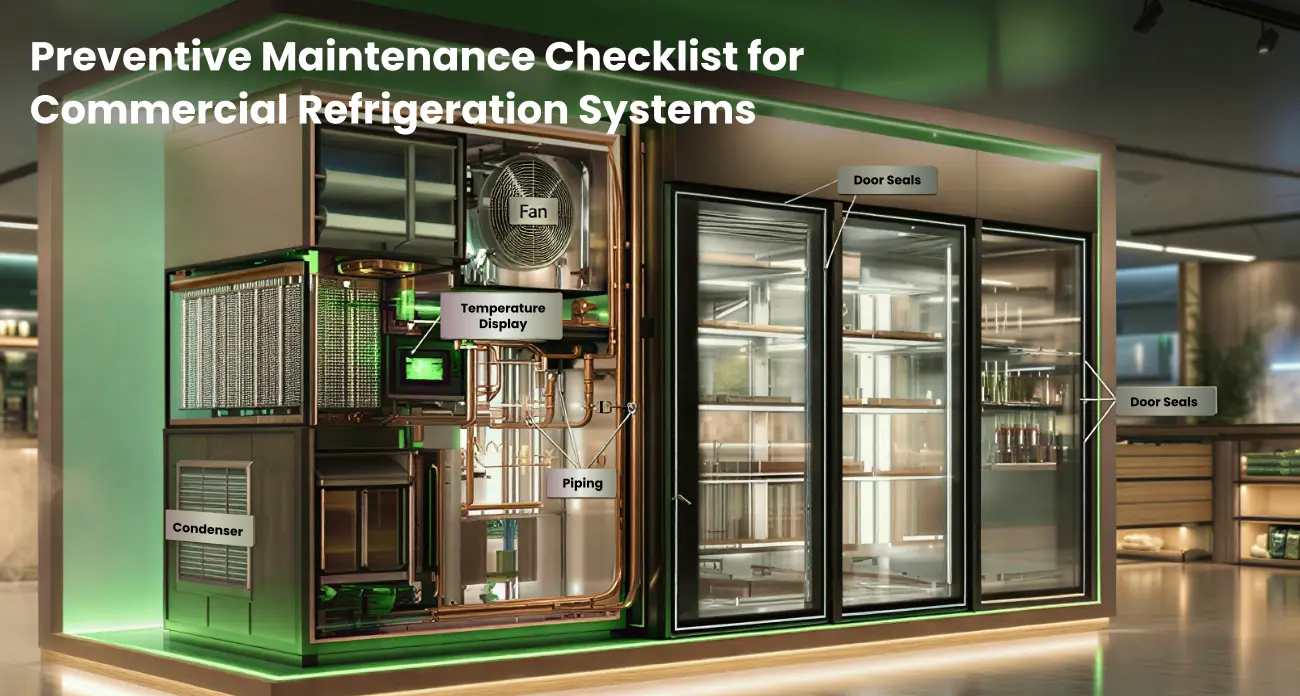
5. Door Seal Efficiency
A poorly sealed freezer can waste significant energy.
Modern improvements:
- Magnetic gasket sealing
- Multi-layer door insulation
- Tight air-lock design
Every time cold air escapes, the compressor works harder
Pro Tip:
- Clean and maintain door seals regularly
- Replace damaged gaskets
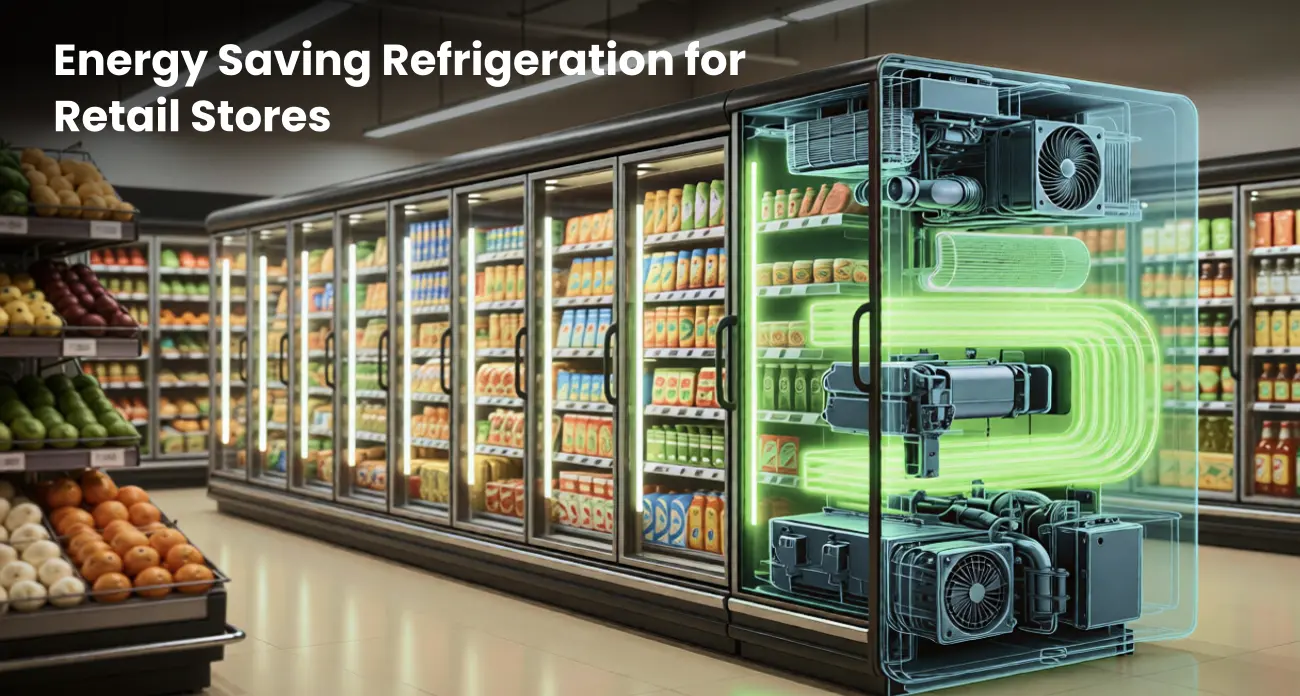
6. Optimized Refrigeration Cycle Efficiency
Modern freezers improve the refrigeration cycle efficiency through:
- Better refrigerants (eco-friendly & efficient)
- Improved heat exchange systems
- Variable refrigerant flow
These systems ensure:
- Faster cooling
- Lower energy consumption
- Better performance under load
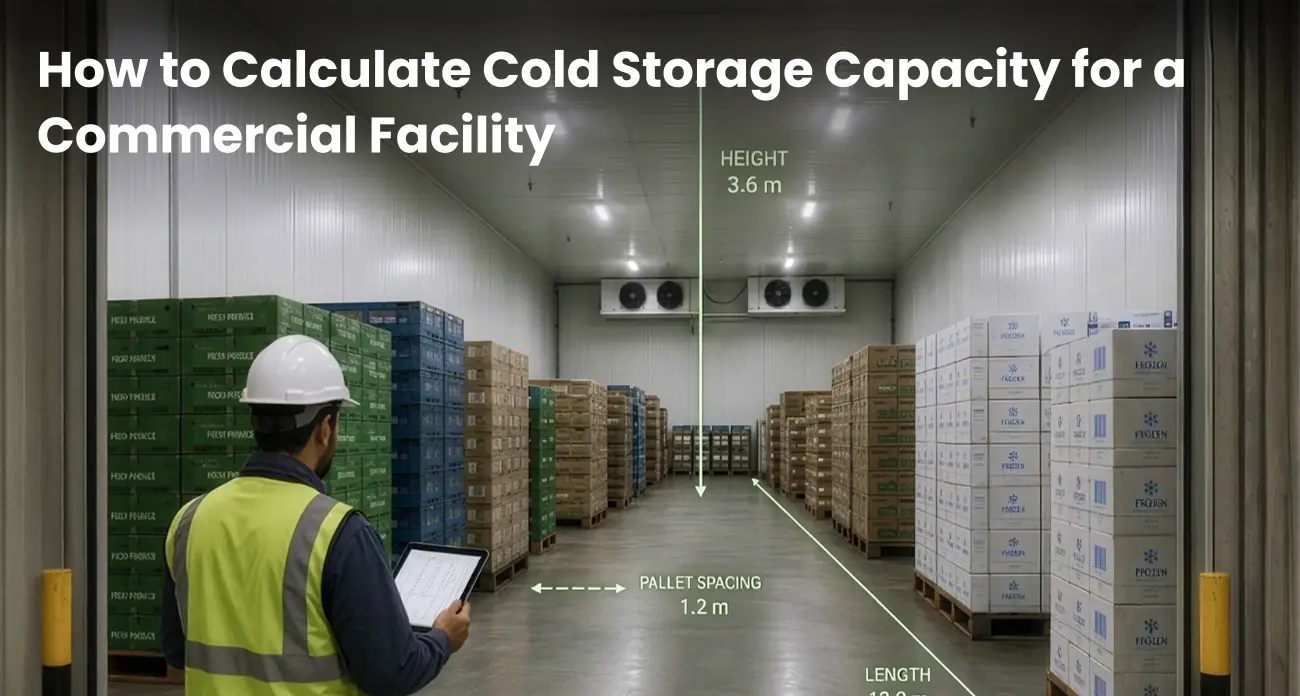
7. Power Efficiency Strategies for Cold Rooms and Industrial Freezers
For businesses, energy-efficient cold room freezers are critical.
Why it matters:
- Energy cost = up to 60–70% of operating expense
- Large systems require optimization
Modern solutions:
- Load-based compressor sequencing
- Smart cooling load management
- Zoning and temperature segmentation
Industrial systems now use data-driven energy optimization for warehouses and cold storage.
Comparison: Modern vs Traditional Freezers
| Feature | Traditional Freezer | Modern Freezer |
|---|---|---|
| Compressor | Fixed speed | Inverter (variable speed) |
| Energy Use | High | Low |
| Cooling | Fluctuating | Stable |
| Maintenance | High | Low |
| Efficiency | Basic | Smart & optimized |
Practical Tips to Reduce Freezer Energy Consumption
Even with modern freezers, usage matters.
Best practices:
- Keep freezer 70–80% full (reduces air load)
- Avoid frequent door opening
- Maintain optimal temperature (-18°C)
- Clean condenser coils regularly
- Ensure proper ventilation
Yes, a full freezer actually saves energy by reducing warm air circulation.
FAQs
- How do modern freezers reduce electricity bills?
By using inverter compressors, smart sensors, and efficient insulation, modern freezers consume less power and reduce energy waste.
- Does a frost-free freezer save energy?
Yes. It prevents ice buildup, ensuring better airflow and reducing compressor workload.
- Inverter vs normal freezer: which is better?
Inverter freezers are more energy-efficient because they adjust power usage instead of running at full capacity all the time.
What is the best energy-saving freezer for home use?
Look for:
- Inverter compressor
- High rating
- Good insulation
- Smart temperature control
Final Insight
Modern freezers reduce energy consumption through intelligent engineering and adaptive technologies such as inverter systems that control power, sensors that optimize performance, advanced insulation that lowers cooling load, and smart systems that minimize energy waste.
For businesses and homeowners alike, investing in energy-efficient freezer technology is not just about saving electricity—it’s about long-term cost reduction, sustainability, and performance reliability.