In today's fast-growing Saudi Arabia food industry, maintaining food quality, safety, and operational efficiency is more important than ever. Whether you operate a restaurant in Riyadh, a catering company in Jeddah, or a food manufacturing facility in Dammam, selecting the right refrigeration technology can directly impact product quality, compliance, and profitability.
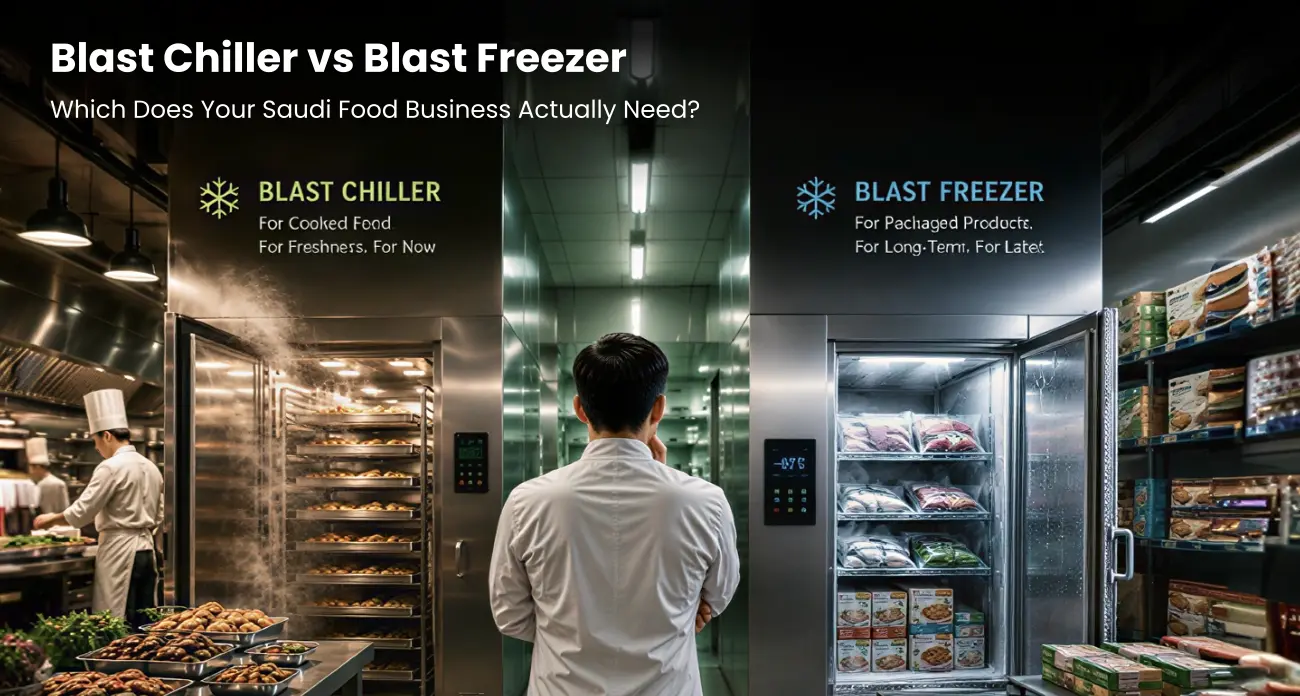
One of the most common questions food business owners ask is: Blast Chiller vs Blast Freezer – which one is the right choice? While both systems rapidly reduce food temperatures, they serve different purposes. Understanding the difference between blast chiller and blast freezer can help you invest in equipment that aligns with your business goals.
What Is a Blast Chiller?
A commercial blast chiller is engineered to rapidly reduce the core temperature of freshly cooked food, minimizing the time spent within microbial growth zones and facilitating safe refrigerated storage. Rapid cooling helps prevent bacterial growth while preserving taste, texture, and nutritional value.
Blast chillers are commonly used in:
- Restaurants and hotels
- Central kitchens
- Catering facilities
- Bakeries and confectioneries
- Ready meal production facilities
For businesses serving freshly prepared meals, a blast chiller for restaurants Saudi Arabia offers an efficient way to maintain food quality while meeting food safety standards.
What Is a Blast Freezer?
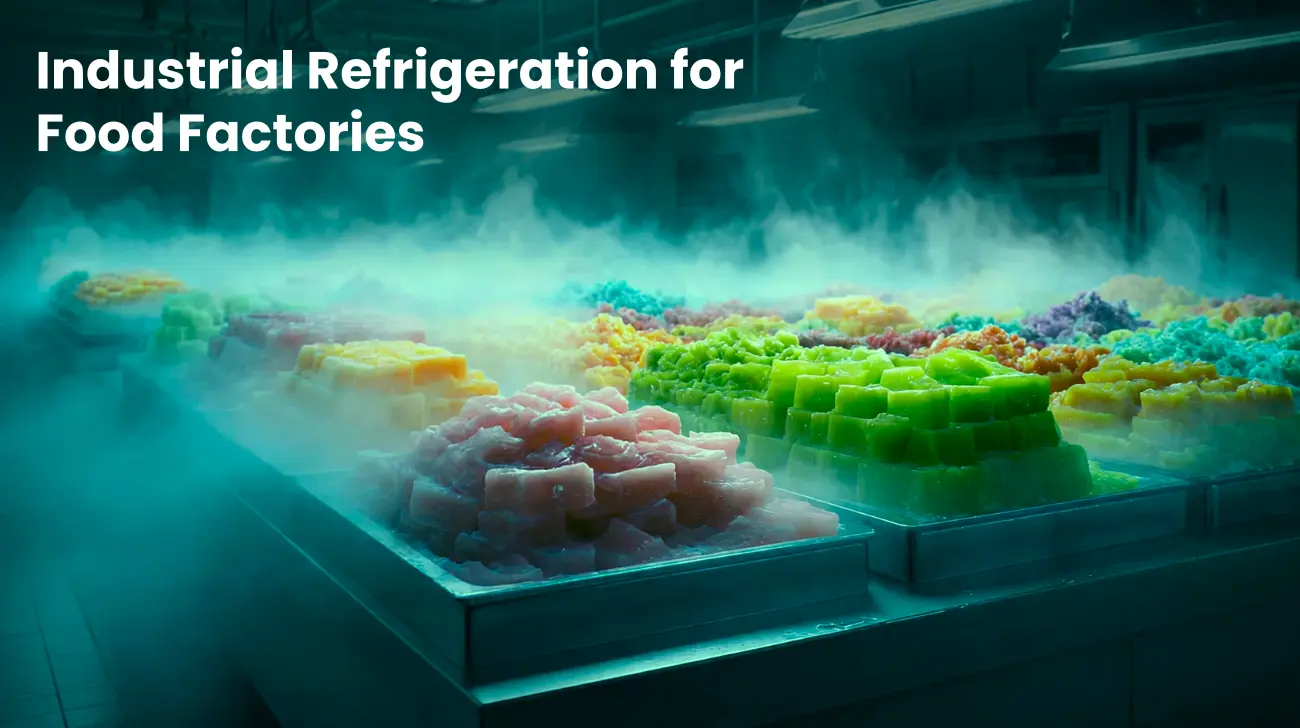
A commercial blast freezer, widely adopted across the Saudi food sector, is engineered to rapidly reduce product temperatures to freezing levels, thereby preserving quality, extending shelf life, and maintaining the structural integrity of food products. Unlike traditional freezers, blast freezers reduce temperatures much faster, creating smaller ice crystals that help maintain product structure and quality.
Blast freezers are ideal for:
- Frozen food manufacturers
- Meat and poultry processors
- Seafood processing facilities
- Large-scale food production plants
- Export-oriented food businesses
A blast freezer for food processing industry operations ensures longer shelf life while maintaining product integrity throughout storage and transportation.
Difference Between Blast Chiller and Blast Freezer
Although both systems use rapid temperature reduction, their objectives are different.
| Feature | Blast Chiller | Blast Freezer |
|---|---|---|
| Primary Purpose | Rapid Cooling | Rapid Freezing |
| Final Temperature | 0°C to 3°C | -18°C or lower |
| Best For | Freshly prepared foods | Long-term frozen storage |
| Shelf Life Extension | Short to medium term | Long-term preservation |
| Common Users | Restaurants, hotels, caterers | Food manufacturers, processors |
The key difference between blast chiller and blast freezer lies in whether you need to preserve food for immediate service or long-term distribution.
Why Food Safety Matters
Food safety is a top priority for businesses across Saudi Arabia. Improper cooling allows food to remain in the temperature danger zone where bacteria can multiply rapidly.
Implementing Food Safety and HACCP Blast Chilling practices helps businesses:
- Reduce contamination risks
- Improve food quality
- Extend product usability
- Meet regulatory requirements
- Maintain customer trust
For restaurants, hospitals, hotels, and institutional kitchens, blast chilling is often a critical component of a modern food safety program.
When Should You Choose a Blast Chiller?
A blast chiller is typically the best choice if your business:
- Serves freshly prepared meals
- Requires short-term cold storage
- Operates a restaurant or hotel kitchen
- Provides catering services
- Produces ready-to-eat meals
Many Riyadh commercial kitchens and businesses in the Jeddah hospitality sector use blast chillers to streamline meal preparation while maintaining consistency and safety.
Additionally, businesses offering catering refrigeration solutions often depend on blast chilling to prepare food in advance without compromising quality.
When Should You Choose a Blast Freezer?
A blast freezer is a better investment if your business:
- Produces frozen foods
- Exports food products
- Requires extended storage periods
- Handles seafood, meat, or poultry processing
- Operates large-scale manufacturing facilities
The Growing Need for Cold Chain Solutions
As Saudi Arabia continues to advance its food manufacturing and hospitality industries, the demand for robust and dependable cold chain solutions has grown increasingly significant.
Modern refrigeration systems help businesses:
- Reduce food waste
- Improve inventory management
- Support nationwide distribution
- Maintain consistent product quality
- Meet international food safety expectations
Whether operating a restaurant or a manufacturing plant, investing in advanced industrial refrigeration equipment Saudi Arabia businesses trust can create long-term operational advantages.
How to Choose the Right Equipment
When choosing the right blast chilling and freezing equipment, consider:
Choose a Blast Chiller If:
- Your focus is fresh food service.
- You prepare meals in advance.
- You need HACCP-compliant cooling.
- You operate restaurants, hotels, or catering businesses.
Choose a Blast Freezer If:
- You sell frozen products.
- You require long-term storage.
- You distribute products across regions.
- You operate food processing facilities.
Some larger operations even use both systems to support complete production workflows, especially in ready meal production equipment environments where products are chilled initially and frozen later for distribution.
Final Thoughts
The decision between Blast Chiller vs Blast Freezer ultimately depends on your business model, storage requirements, and food safety objectives. For restaurants, hotels, and catering operations, a blast chiller often provides the most value. For manufacturers focused on frozen products and large-scale distribution, a blast freezer is usually the smarter investment.
As the Saudi food industry continues to evolve, businesses that invest in the right commercial kitchen equipment will be better positioned to improve food safety, reduce waste, enhance product quality, and support future growth.
Choosing the correct refrigeration solution today can help build a safer, more efficient, and more profitable food operation tomorrow.
Frequently Asked Questions (FAQs)
1. What is the difference between a blast chiller and a blast freezer?
A blast chiller rapidly reduces the temperature of freshly cooked food to safe chilled storage levels, while a blast freezer quickly freezes food products to preserve freshness, texture, and nutritional value for longer-term storage.
2. Which is better for a Saudi food business: a blast chiller or a blast freezer?
The optimal selection is contingent upon the specific operational requirements and strategic objectives of the organisation. Restaurants, hotels, bakeries, and catering companies often benefit from blast chillers for daily food preparation, whereas food manufacturers, meat processors, and frozen food suppliers typically require blast freezers for extended product preservation.
3. Why are blast chillers and blast freezers important for food safety?
Both systems help food pass rapidly through the temperature danger zone where bacterial growth occurs. This supports HACCP compliance, improves food safety standards, reduces spoilage, and extends product shelf life.
4. Should a food business invest in both a blast chiller and a blast freezer?
In many food production and hospitality environments, the use of both systems offers the greatest operational flexibility. A blast chiller rapidly reduces the temperature of freshly prepared food to safe holding conditions, whereas a blast freezer preserves products at sub-zero temperatures for extended storage, inventory control, and efficient cold chain distribution. Together, they support food safety compliance, product quality preservation, and streamlined operational workflows.
5. How do I choose the right blast chilling or freezing capacity for my food business?
The ideal capacity depends on your daily production volume, product type, storage requirements, and future business growth. Restaurants and catering kitchens may require compact blast chillers, while food factories, meat processing facilities, and large-scale bakeries often need high-capacity blast freezers to support efficient production, food safety compliance, and uninterrupted cold chain operations.