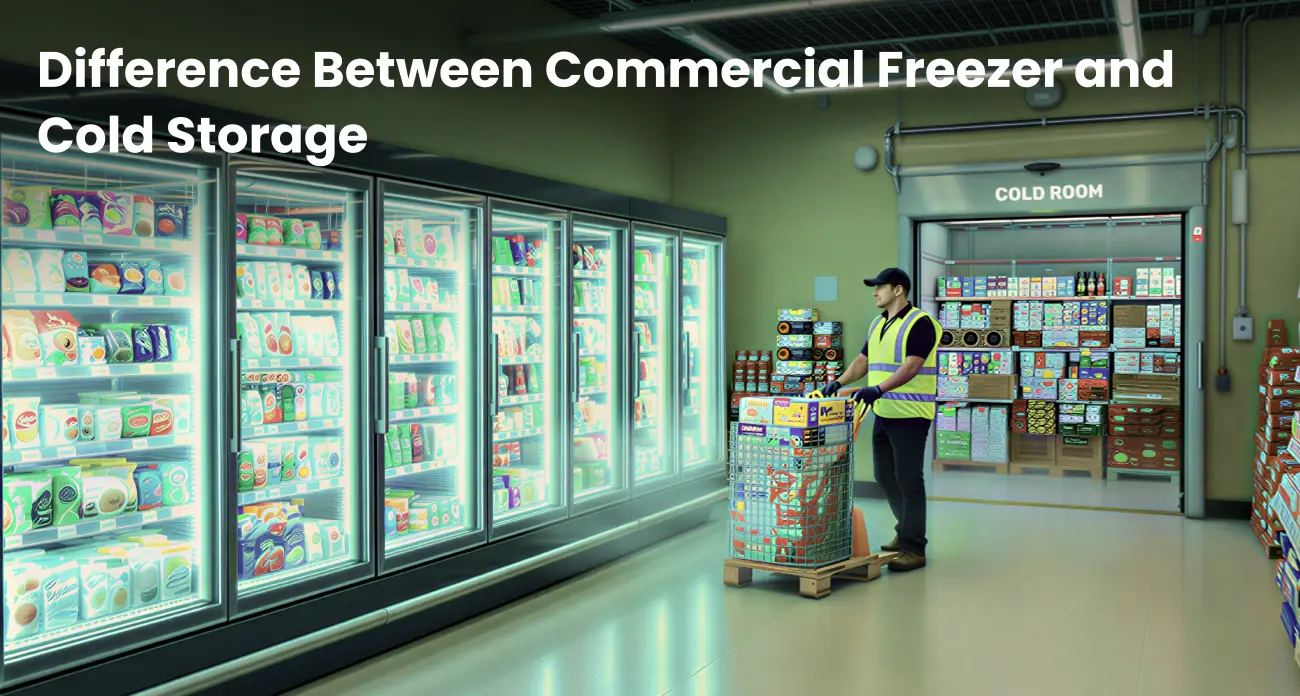
When businesses deal with perishable goods—whether food, pharmaceuticals, or agricultural products—choosing the right refrigeration system becomes critical. Two of the most commonly used solutions are commercial freezers and cold storage systems.
At first glance, they may seem similar. However, they serve different purposes, operate at different temperature ranges, and are designed for distinct business needs.
The concept may be elucidated in a clear and practical manner as follows.
What is a Commercial Freezer?
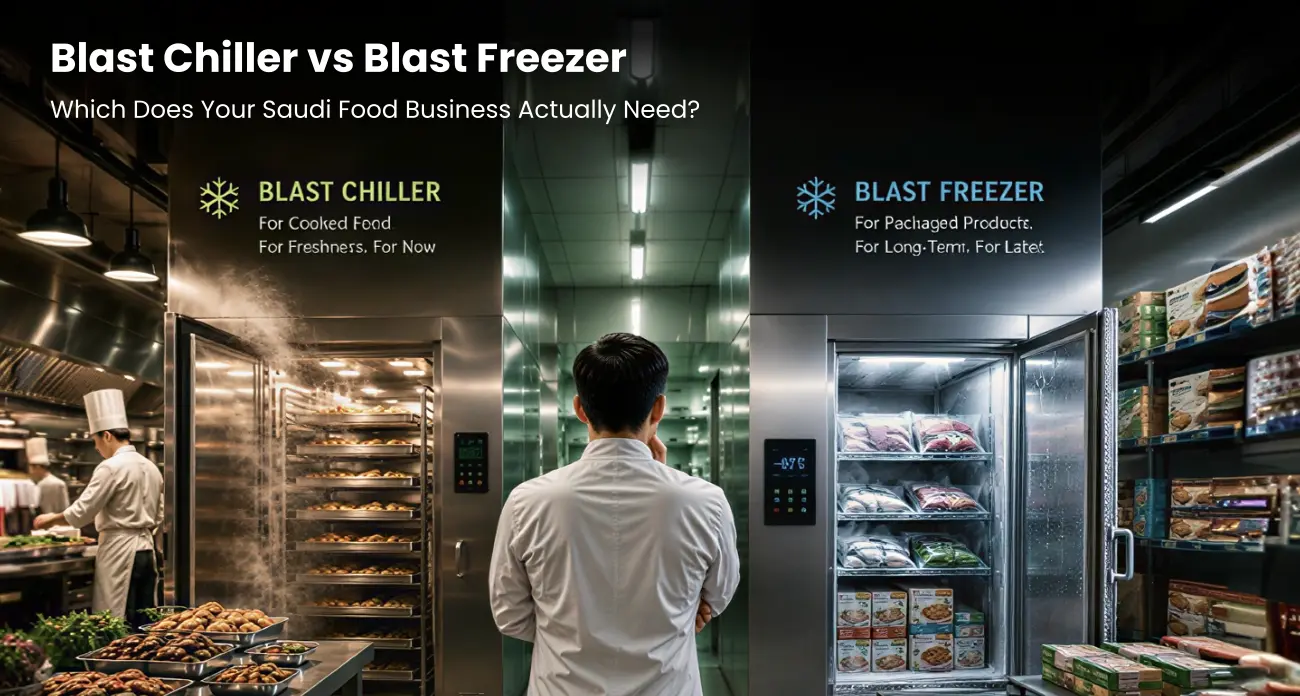
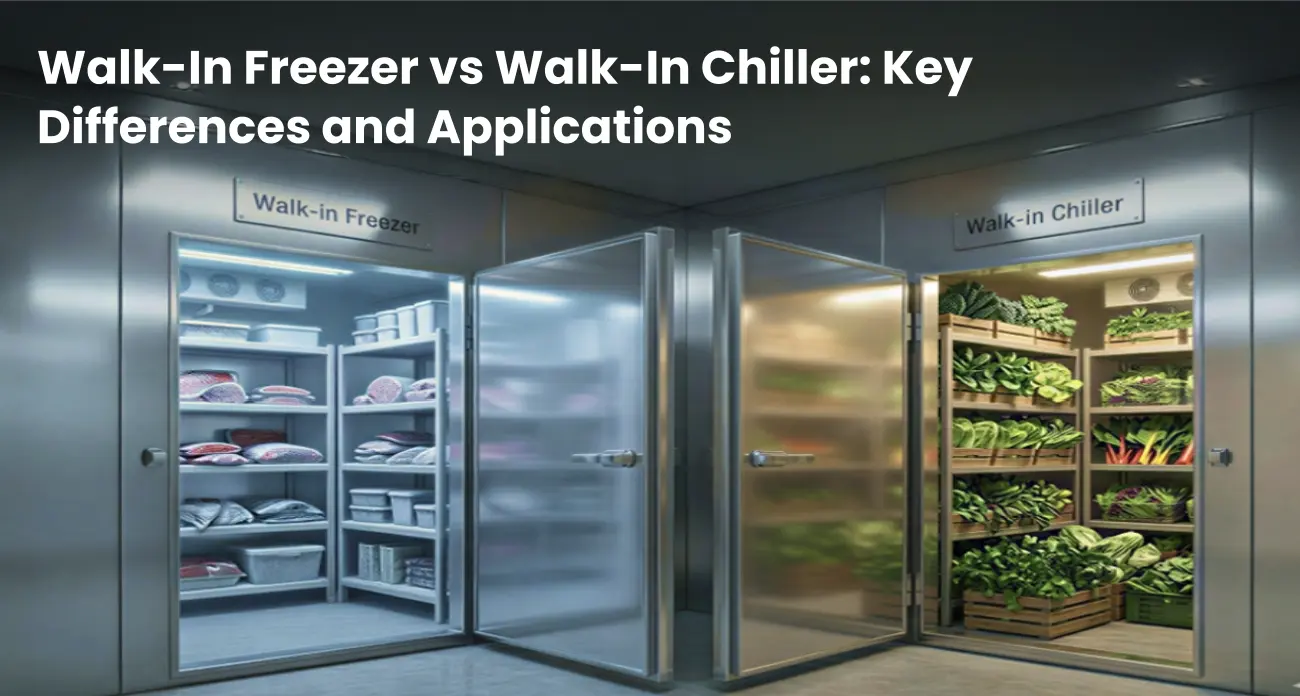
A commercial freezer is a refrigeration unit designed to store products at sub-zero temperatures, typically ranging from -18°C to -40°C.
These systems are commonly used in:
- Supermarkets
- Restaurants
- Food processing units
- Retail stores
Commercial freezers are ideal for:
- Frozen food storage
- Ice cream and dairy products
- Meat and seafood preservation
Their primary goal is to freeze products quickly and maintain long-term preservation.
What is Cold Storage?
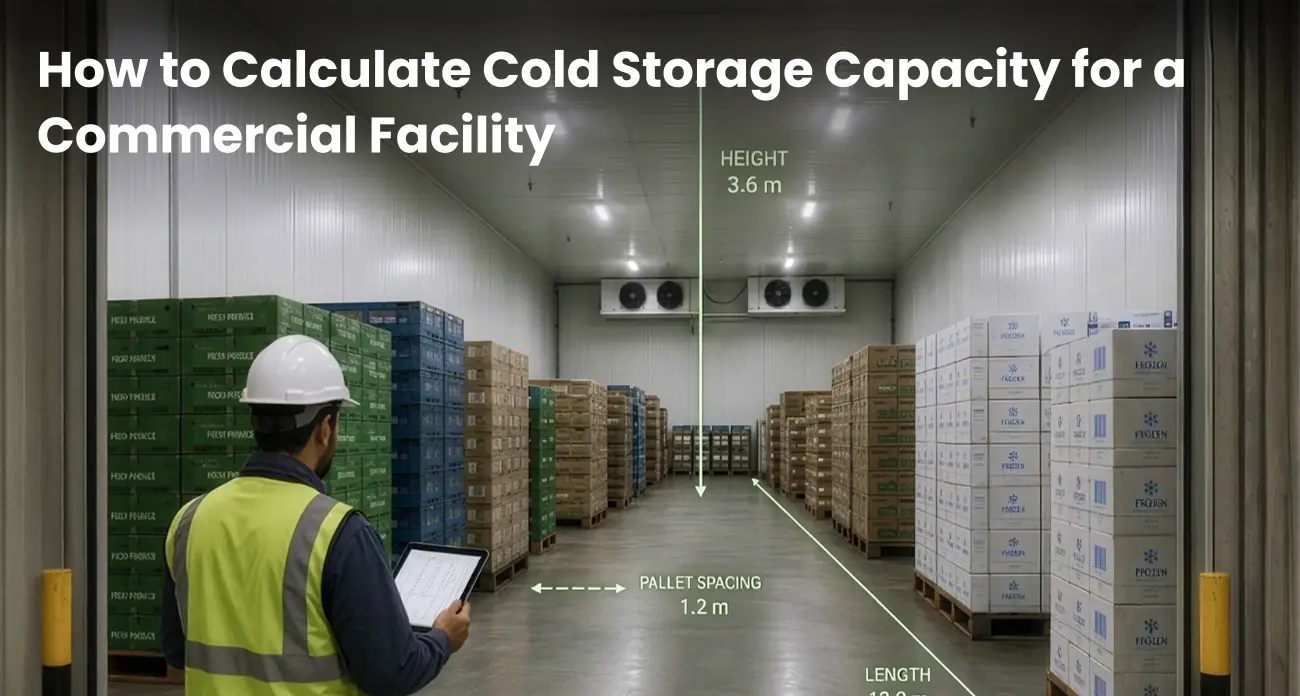
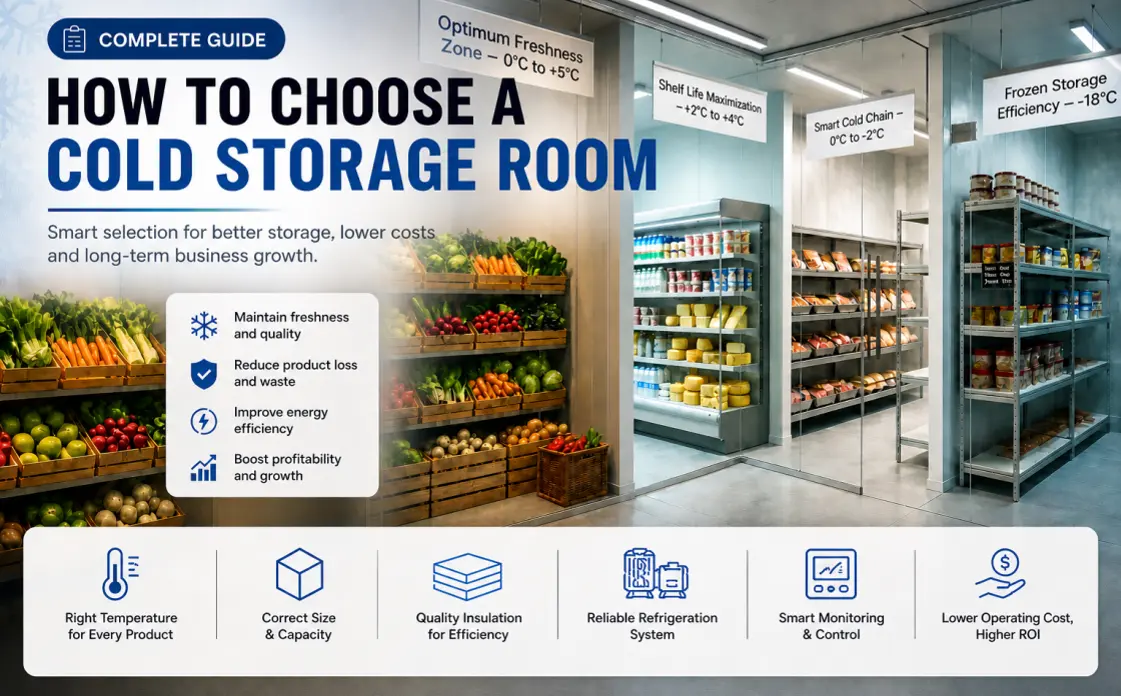
Cold storage refers to a temperature-controlled storage system that can operate across a wider range, typically from +15°C to -25°C, depending on the application.
Cold storage systems are used for:
- Fruits and vegetables
- Dairy and beverages
- Pharmaceuticals
- Agricultural products
Unlike freezers, cold storage focuses on: Maintaining freshness rather than deep freezing
Key Differences Between Commercial Freezer and Cold Storage
| Feature | Commercial Freezer | Cold Storage |
|---|---|---|
| Temperature Range | -18°C to -40°C | +15°C to -25°C |
| Purpose | Freezing products | Preserving freshness |
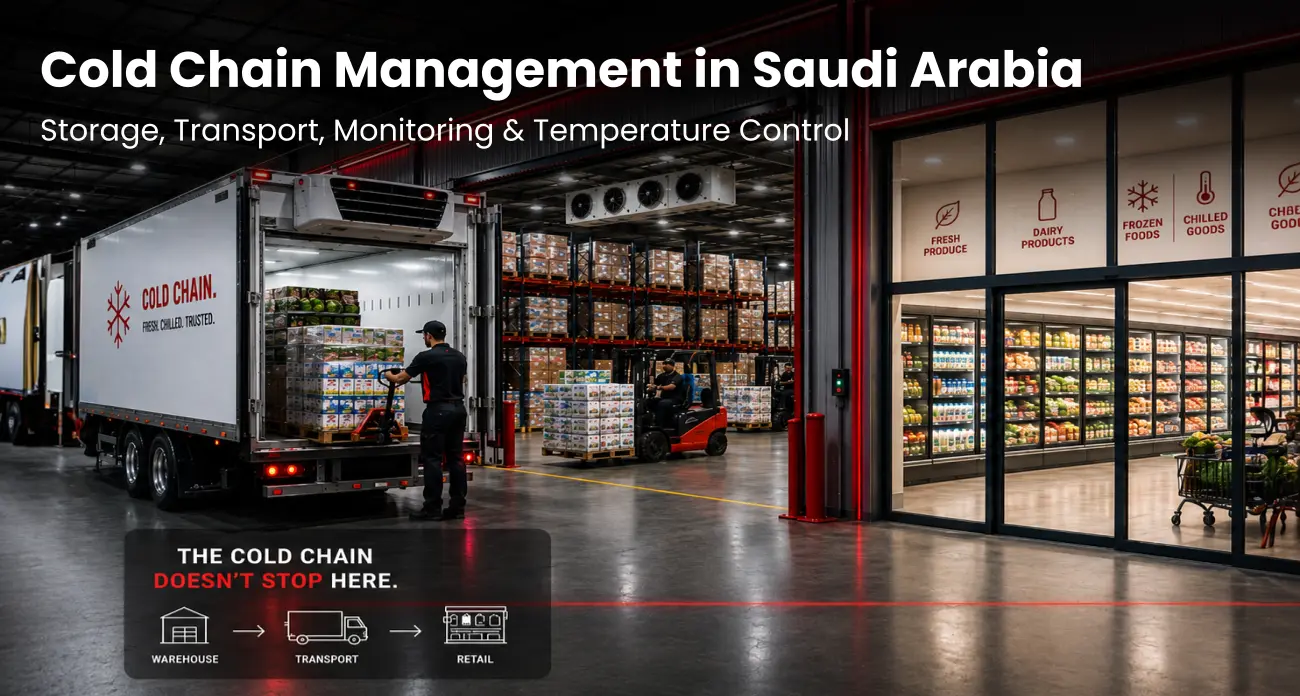
| Usage | Retail & food service | Warehousing & logistics |
| Storage Duration | Long-term frozen storage | Short to medium-term storage |
| System Size | Smaller units | Large warehouse-scale systems |
In simple terms:
- Freezer = Freezing
- Cold Storage = Controlled Cooling
When Should You Use a Commercial Freezer?
A commercial freezer is the right choice when your business requires:
- Long-term storage of frozen products
- Rapid freezing to prevent spoilage
- Compact, space-efficient solutions
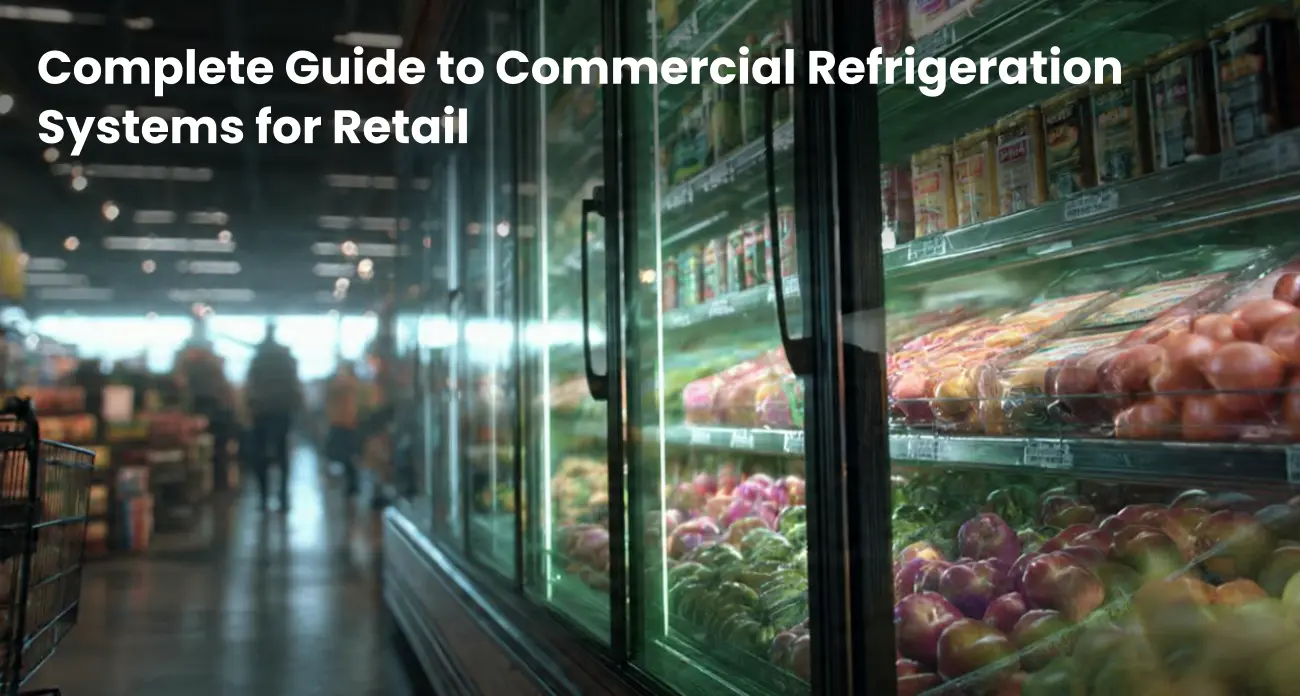
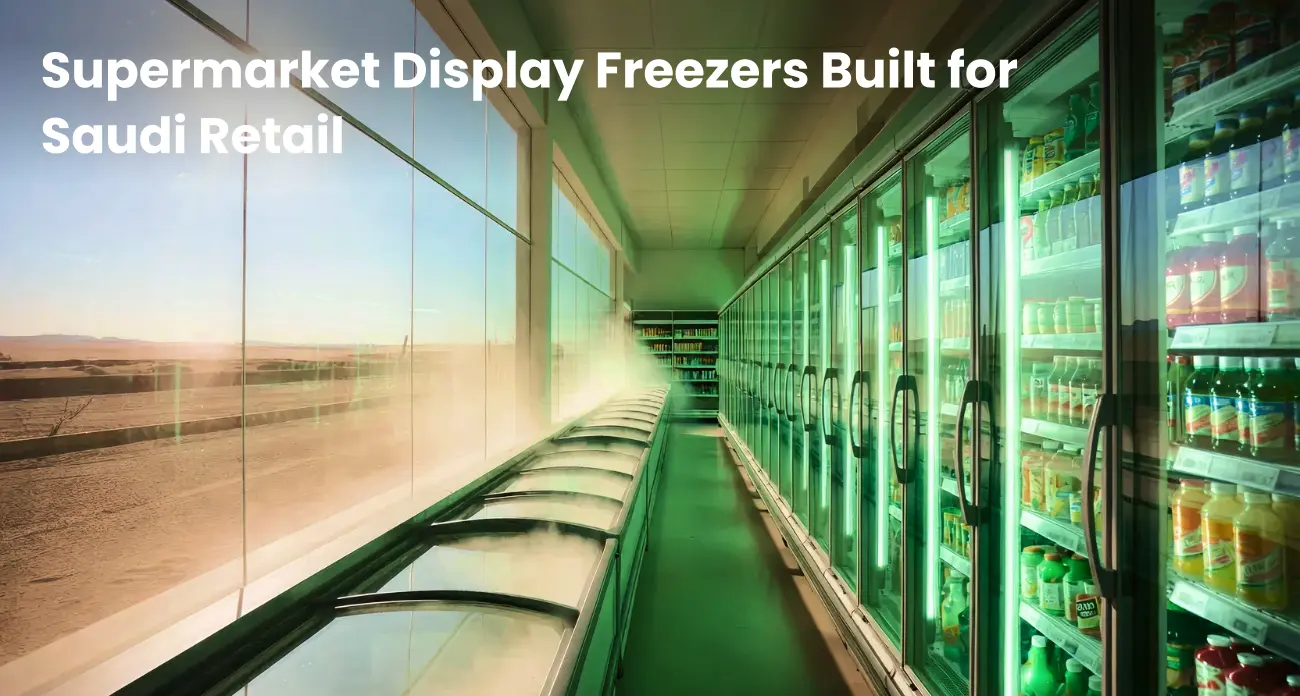
- Retail display freezer units
Example:
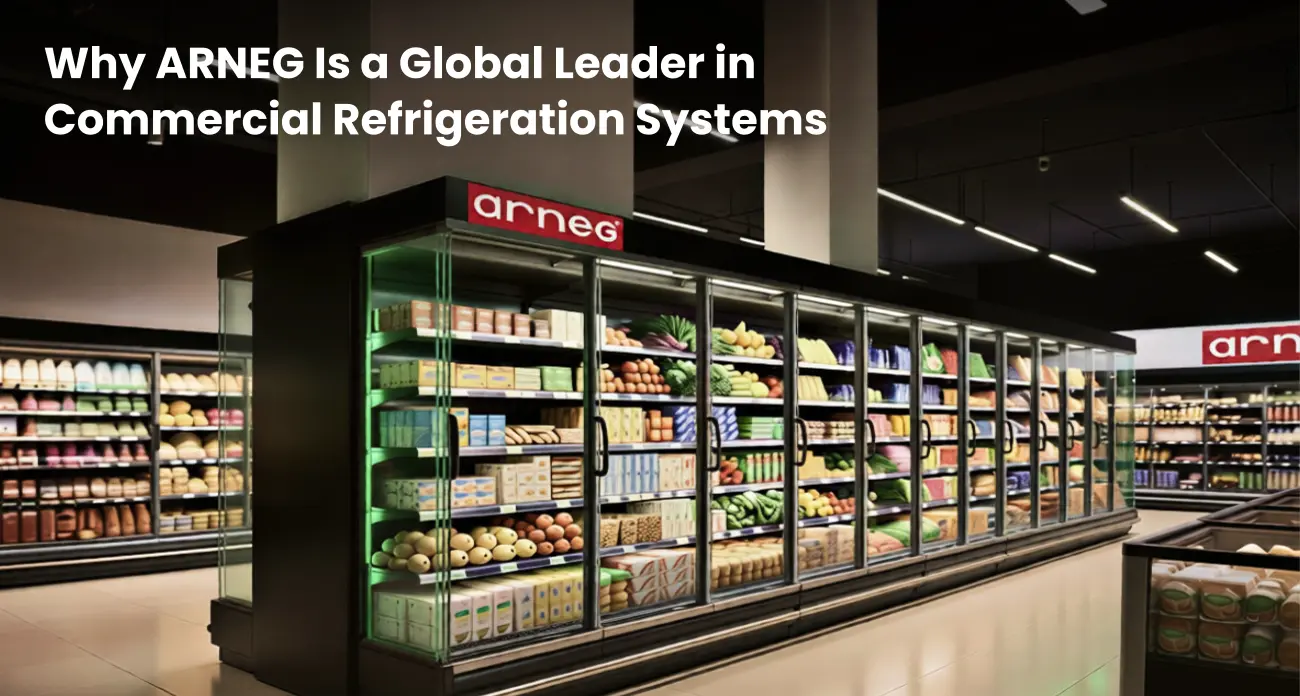
A supermarket storing frozen foods like chicken, ice cream, and ready-to-eat meals will rely heavily on commercial freezer systems.
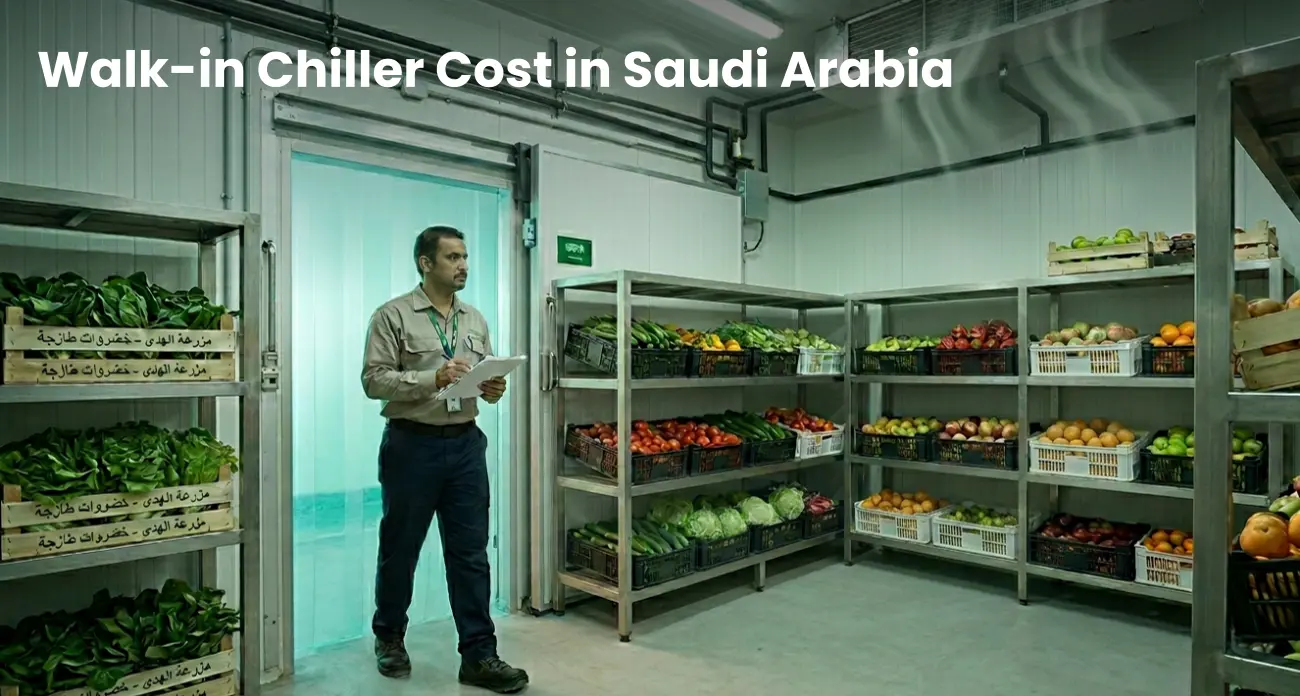
When is Cold Storage the Better Option?
Businesses that require the following conditions benefit most from cold storage:
- Bulk storage capacity
- Temperature flexibility
- Controlled humidity environments
- Large-scale inventory management
Example:
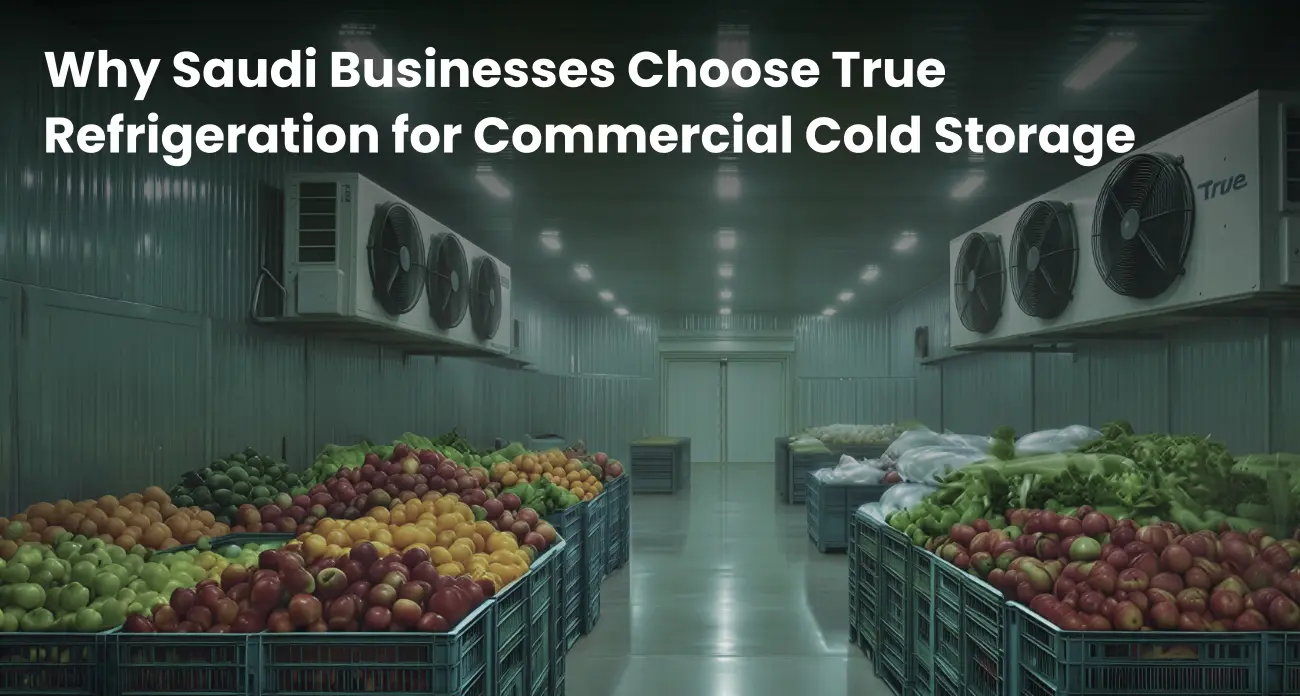
A warehouse storing fruits, vegetables, or pharmaceuticals requires cold storage systems to maintain product quality.
Cost Comparison: Freezer vs Cold Storage
One of the most common questions people ask is—which option is more cost-effective: a commercial freezer or cold storage?
That’s a great question, especially for businesses trying to balance performance with long-term operational costs.
Commercial Freezer:
- Lower initial investment
- Easier installation
- Lower maintenance cost
Cold Storage:
- Higher setup cost
- Requires infrastructure (insulation, large space)
- Higher operational complexity
However, cold storage offers:
- Scalability
- Bulk storage efficiency
- Better supply chain management
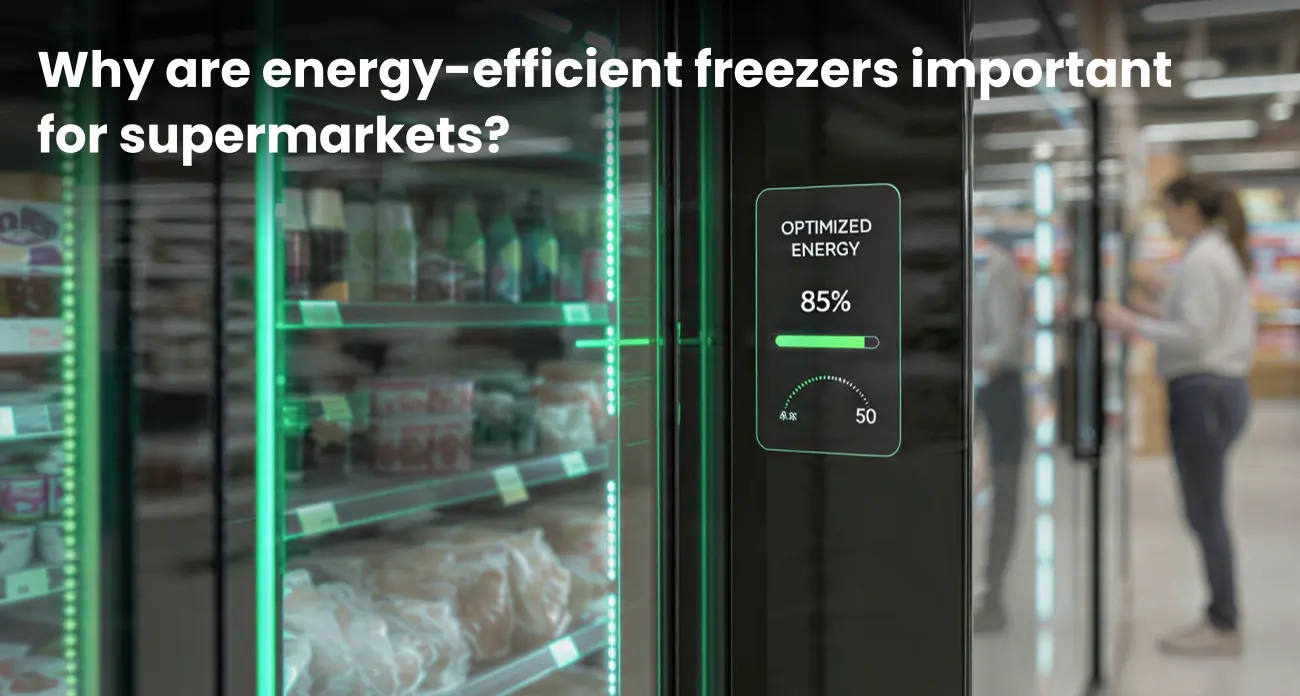
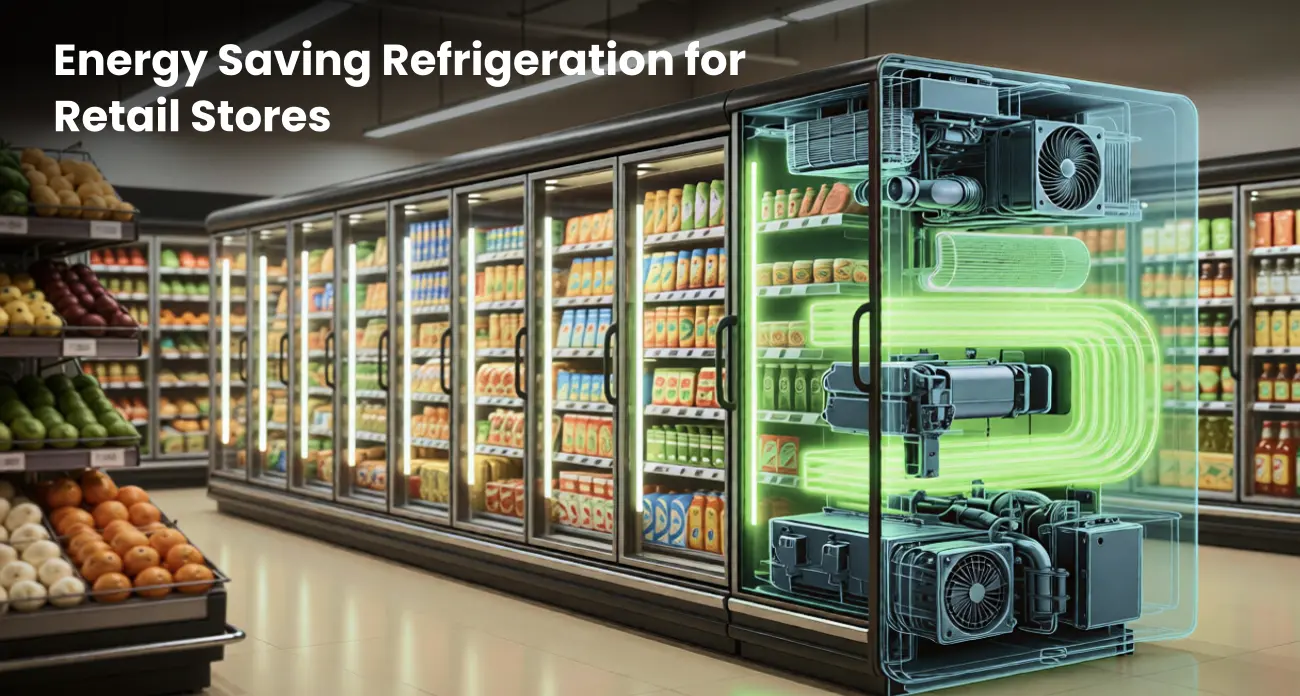
Energy Efficiency and Technology
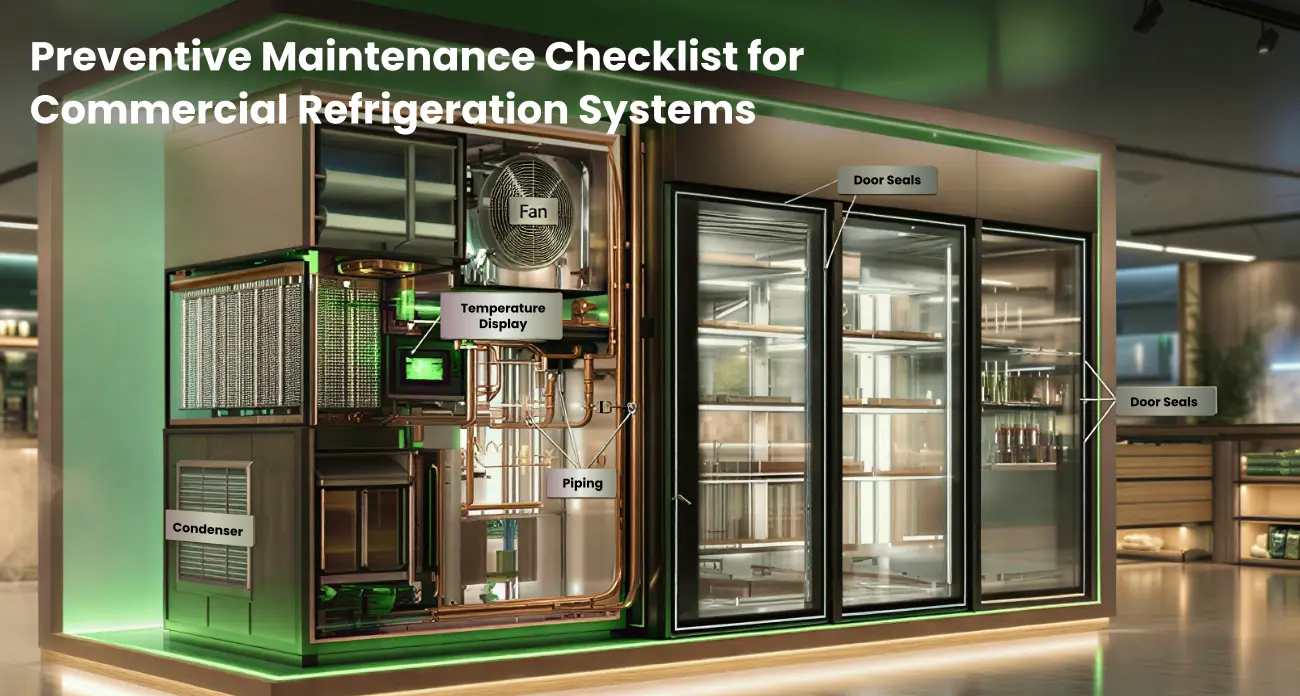
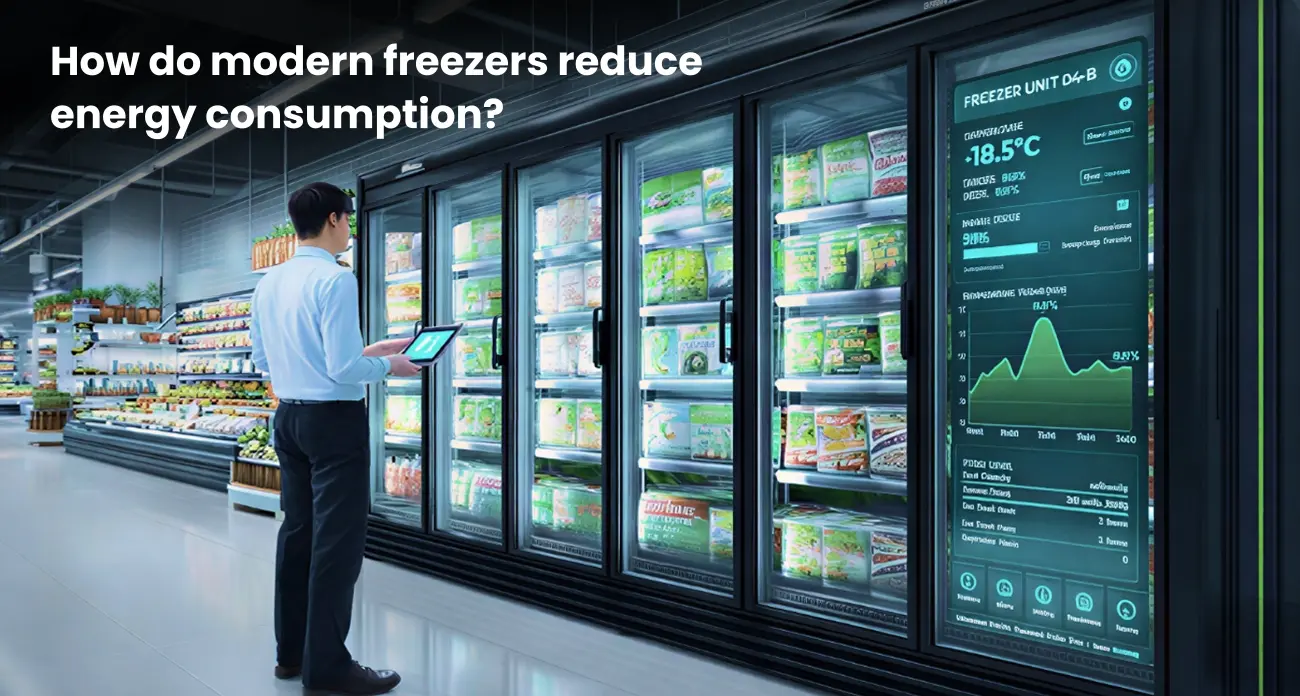
Modern refrigeration systems are now powered by advanced technologies, including:
- Inverter compressors
- Smart temperature monitoring (IoT-based)
- Energy-efficient insulation systems
- Natural refrigerants like R290 and CO2
These innovations help both freezers and cold storage systems:
- Reduce electricity consumption
- Improve performance
- Lower operating costs
Role of Natural Refrigerants (R290 & CO2)
A major shift in modern refrigeration is the use of eco-friendly refrigerants.
R290 Refrigerant:
- Ideal for commercial freezer units
- Highly energy efficient
- Low environmental impact
CO2 Refrigerant:
- Suitable for large cold storage systems
- Used in centralized supermarket refrigeration
- Excellent for industrial-scale cooling
These refrigerants are becoming the preferred choice due to sustainability regulations and energy efficiency benefits.
Installation and Maintenance Considerations
Even the best system depends on proper setup and ongoing maintenance.
Businesses should consider:
- Professional freezer system installation services
- Cold storage design and engineering
- Refrigeration system AMC contracts
- Regular performance monitoring
Proper maintenance ensures:
- Longer system life
- Reduced downtime
- Consistent cooling performance
Choosing the Right Solution for Your Business
Prior to investing in refrigeration systems, it is essential to consider the following key factors:
What type of products are you storing?
What is the required temperature range?
What is your storage capacity?
What is your budget?
Choose Commercial Freezer if:
- You need frozen storage
- You operate a retail or restaurant business
- You require compact systems
Choose Cold Storage if:
- You need bulk storage
- You manage supply chains or warehouses
- You require flexible temperature control
Industry Trends: Where the Market is Heading
The refrigeration industry is rapidly evolving with:
- Smart freezer systems
- AI-based cooling optimization
- Energy-efficient refrigeration solutions
- Sustainable cooling technologies
Businesses are now investing in modern freezer and cold storage systems to stay competitive and reduce operational costs.
Final Insight
Understanding the difference between commercial freezers and cold storage is essential for making the right business decision. While both systems are critical for preserving products, their applications, costs, and technologies vary significantly.
The right choice depends on your business model, storage needs, and long-term goals.
In today’s competitive market, investing in the right refrigeration solution is not just about storage—it’s about efficiency, sustainability, and profitability.
FAQs
What is the main difference between commercial freezer and cold storage?
A commercial freezer freezes products at sub-zero temperatures, while cold storage maintains controlled temperatures for freshness.
Which is better for supermarkets: freezer or cold storage?
Supermarkets typically use both—freezers for frozen products and cold storage for fresh items.
Is cold storage more expensive than a commercial freezer?
Yes, cold storage requires higher investment but offers larger capacity and scalability.
What refrigerants are used in modern refrigeration systems?
Modern systems use eco-friendly refrigerants like R290 and CO2 for better efficiency and sustainability.