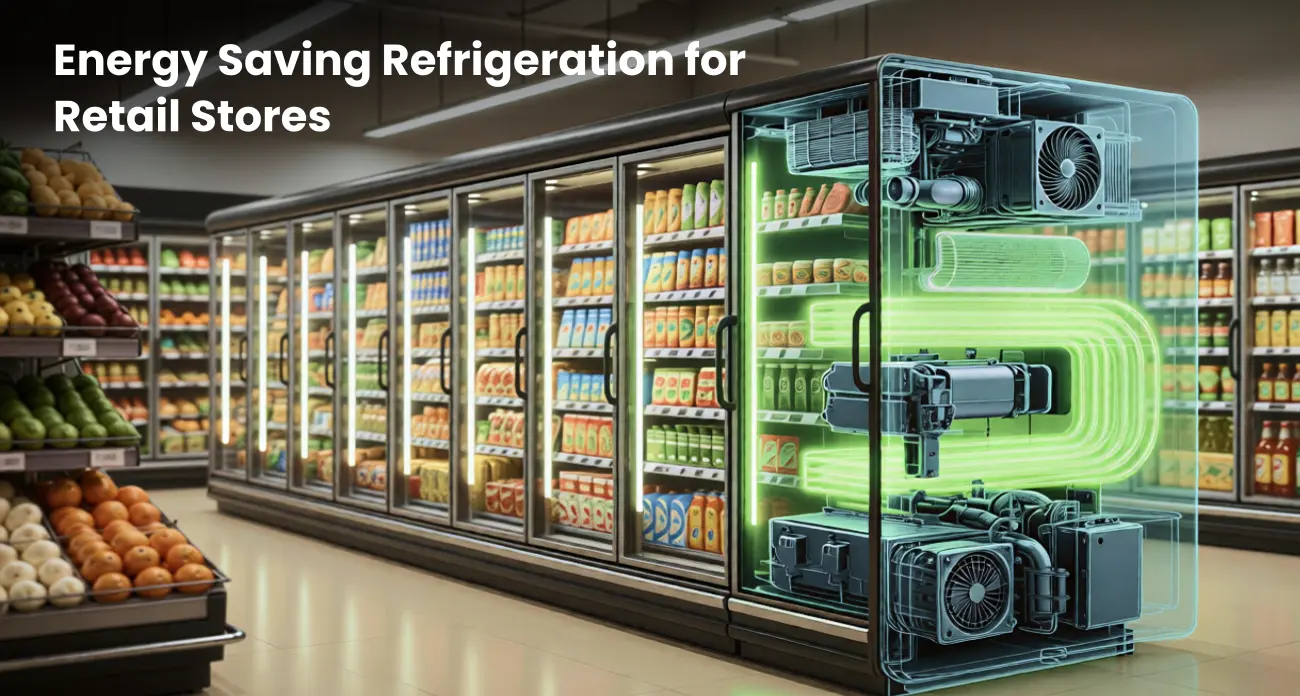
Energy costs are one of the biggest operational expenses for Retail Stores, especially those that rely heavily on refrigeration for preserving food, beverages, dairy products, and frozen goods. From supermarkets and grocery shops to convenience stores and specialty food retailers, refrigeration systems operate 24/7 and consume a significant portion of electricity.
This is why energy saving refrigeration for retail stores has become a critical priority for modern businesses. Advanced refrigeration technologies now allow retailers to maintain optimal product freshness while dramatically reducing power consumption, operating costs, and environmental impact.
In this guide, we will explore how commercial energy-efficient cooling systems work, the technologies behind them, and practical strategies that help Retail Stores improve overall energy efficiency and reduce operating costs.
Why Energy Efficient Refrigeration Matters for Retail Stores
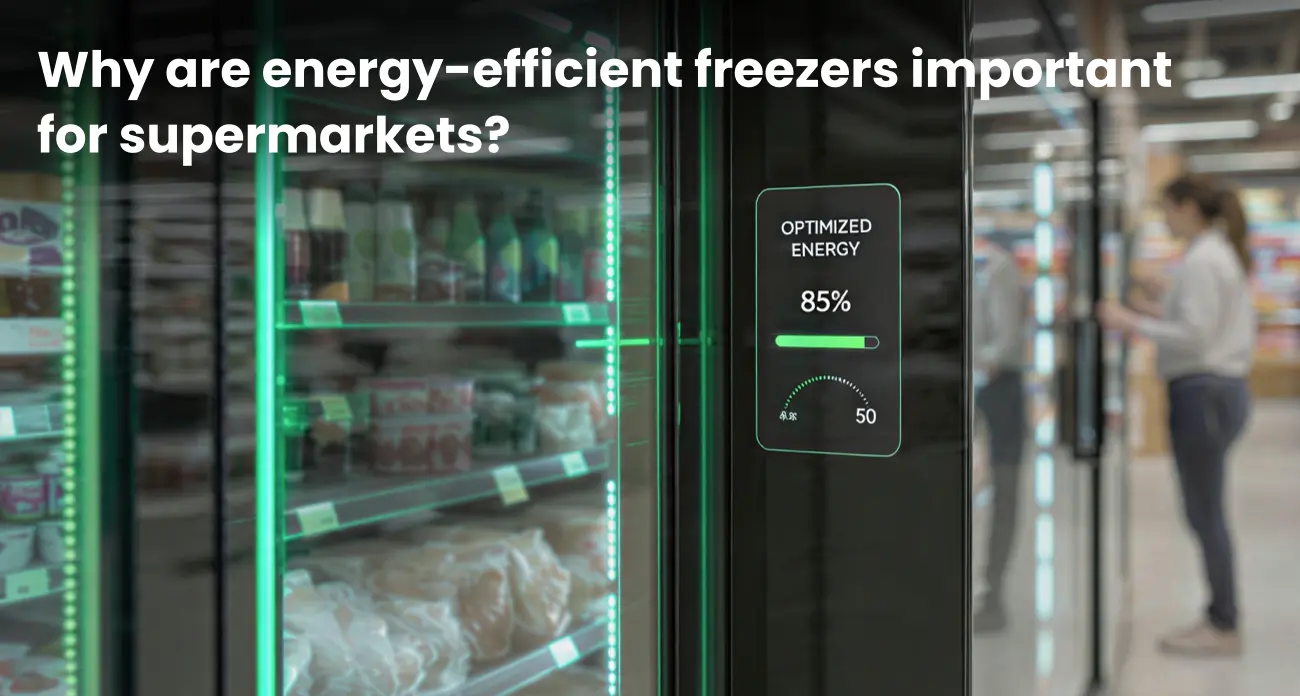
Refrigeration systems can account for 40–60% of the total electricity consumption in many Retail Stores. Older systems often run at constant speeds and lack intelligent control, which leads to unnecessary energy waste.
Adopting retail energy efficiency solutions provides several benefits:
- Lower electricity bills and operational costs
- Improved temperature stability for food safety
- Reduced carbon emissions
- Longer equipment lifespan
- Compliance with modern sustainability standards
Today, businesses are increasingly investing in sustainable systems that balance performance with environmental responsibility.
Key Technologies Powering Electricity Saving
Modern cooling solutions integrate smart engineering, electricity-efficient components, and intelligent automation. These technologies significantly improve cooling efficiency in Retail Stores.
Inverter Refrigeration Compressors
One of the most important innovations in cooling technology is the inverter cooling compressor.
Traditional compressors operate in an on/off cycle, consuming large bursts of power. In contrast, inverter compressors adjust their speed according to cooling demand.
Benefits include: Lower electricity consumption, reduced temperature fluctuations, quieter operation and longer compressor life.
Many power efficient compressors now use inverter technology to optimize cooling performance.
Variable Speed Refrigeration Compressors
Another advanced solution is the variable speed compressor, which continuously adjusts compressor speed based on real-time temperature conditions.
For Retail Stores, this means:
- Precise cooling control
- Reduced electricity wastage
- Better product preservation
- Higher efficiency
Variable speed compressors are widely used in modern commercial energy-efficient refrigeration systems.
Smart Cooling Systems for Retail
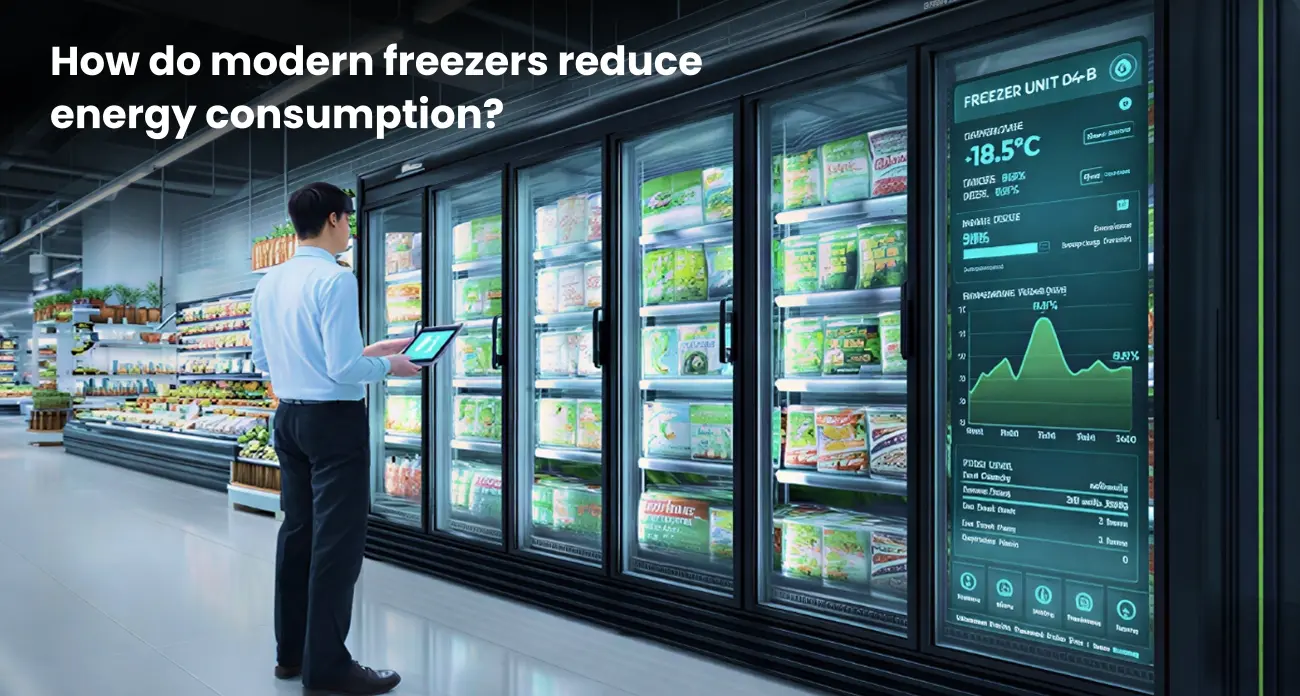
Digital transformation has also entered the refrigeration industry. Smart cooling systems for retail combine sensors, automation, and cloud-based monitoring to optimize performance.
These systems allow Retail Stores to:
- Monitor temperature remotely
- Detect maintenance issues early
- Reduce electric power consumption automatically
- Improve operational efficiency
Many retailers now integrate electric power management systems that provide real-time analytics on energy usage and equipment performance.
Eco-Friendly Technologies
Sustainability is a major driver of innovation in modern time. Businesses are adopting eco-friendly technology that reduces environmental impact while maintaining high cooling performance.
CO2 Refrigeration Systems for Retail Stores
One of the most promising innovations is the use of CO2 refrigeration systems for Outlet Stores.
Unlike traditional refrigerants that contribute to global warming, CO2 is a natural refrigerant with a very low environmental impact.
Advantages include:
- Lower carbon footprint
- High power efficiency in cold climates
- Compliance with environmental regulations
- Long-term sustainability
As environmental regulations tighten worldwide, green technology like CO2 systems is becoming the preferred choice for modern Outlet Stores.
Power Efficient Outlet Display Units
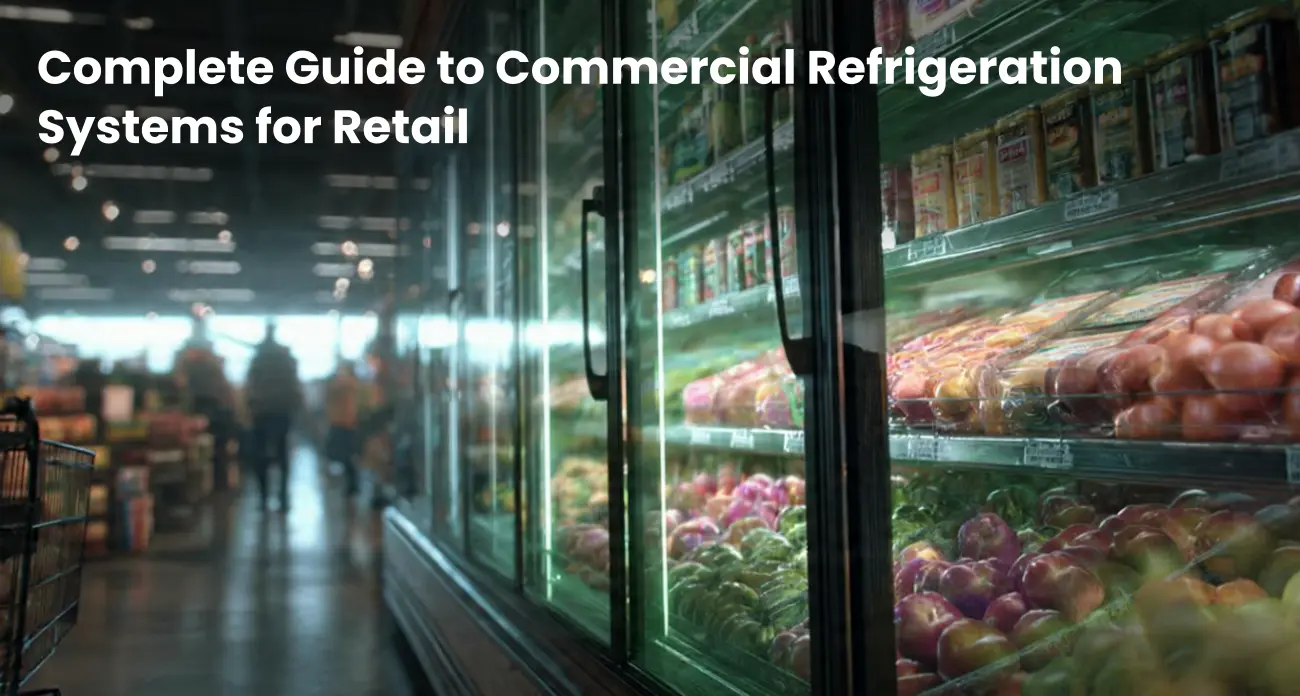
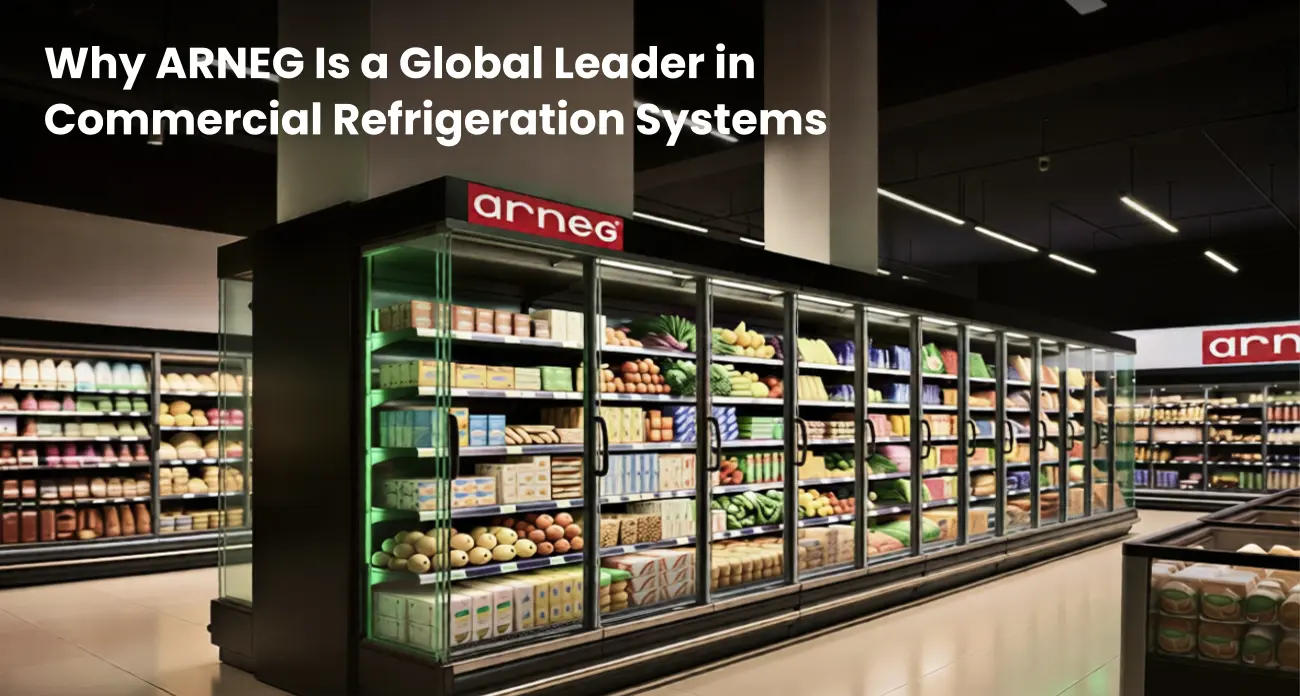
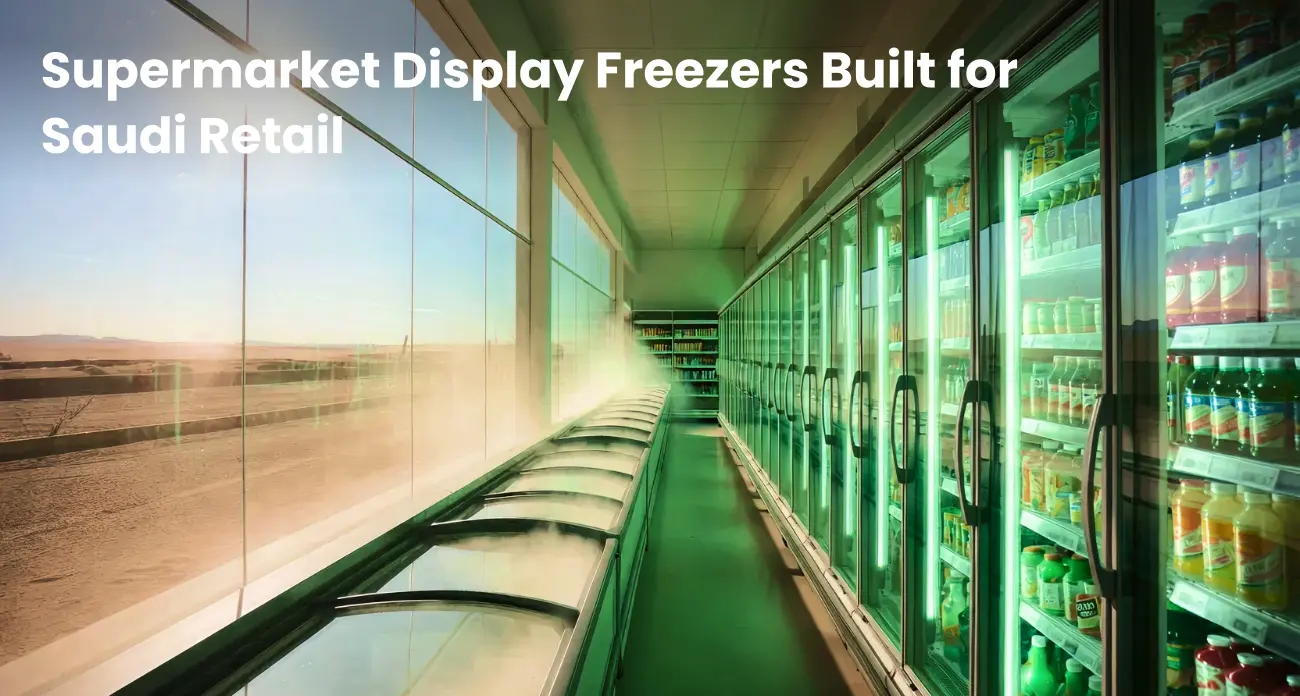
Refrigerated display units are essential for supermarkets and convenience stores. However, they can also consume large amounts of electricity if not designed efficiently.
Modern outlet display units include power-saving features such as:
- LED lighting instead of fluorescent bulbs
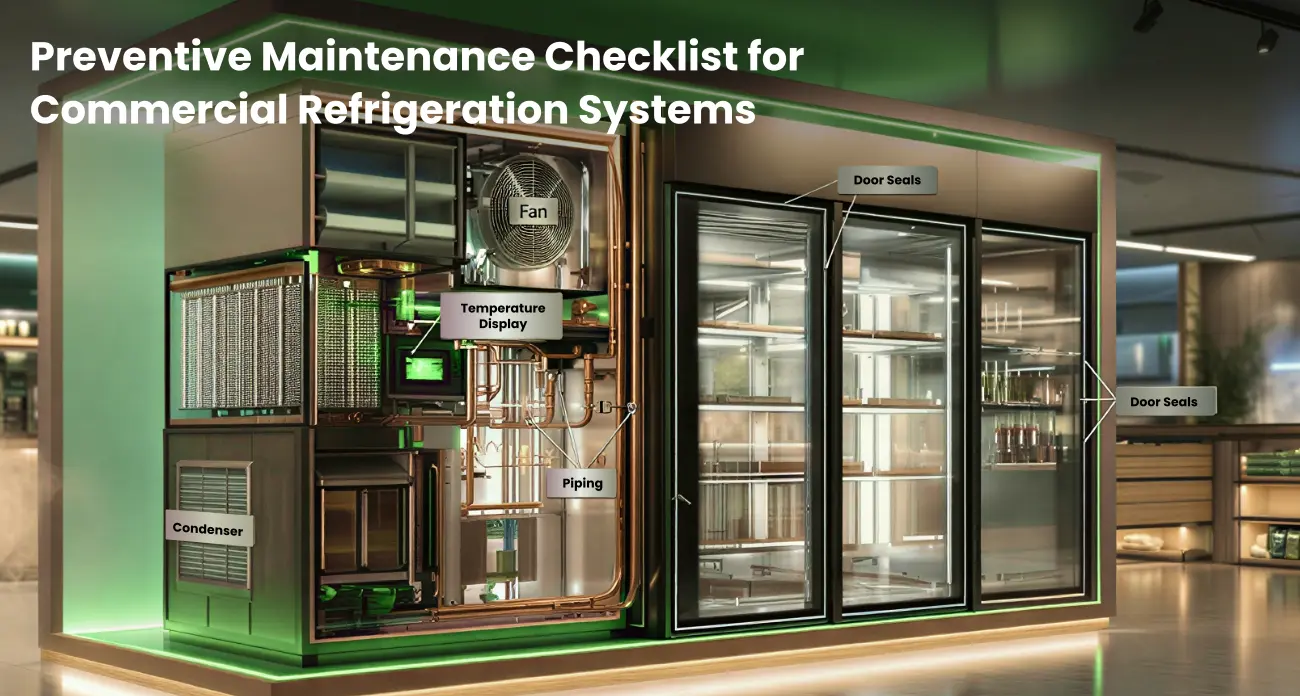
- High-efficiency evaporator fans
- Glass doors that prevent cold air loss
- Improved insulation materials
These innovations help improve store electric power efficiency without compromising product visibility or accessibility.
How to Reduce Refrigeration power Consumption
Retailers looking to reduce operating costs should focus on practical strategies that improve efficiency.
Here are some proven energy saving tips:
Maintain Proper Temperature Settings
Avoid excessively low temperature settings. Maintaining recommended storage temperatures prevents unnecessary energy use.
Perform Regular Maintenance
Perform regular maintenance improves efficiency and prevents electricity waste.
Install Electric power Monitoring Systems
An energy management system allows businesses to track electricity usage and identify inefficiencies.
Upgrade to Modern Equipment
Replacing outdated systems with commercial efficient equipment can significantly reduce power consumption.
Use Night Covers for Display Cabinets
Night covers prevent cold air loss during non-operating hours and improve efficiency.
Implementing these measures can substantially reduce consumption in Retail Stores.
Choosing the Right Power Saving Cooling Equipment
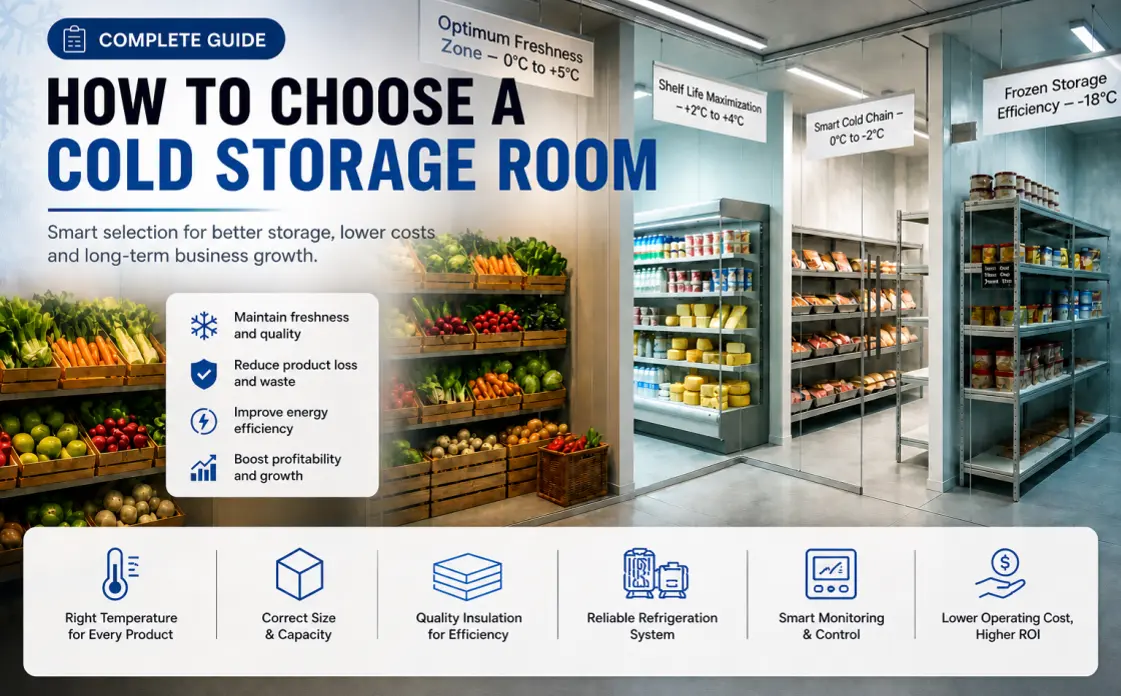
Selecting the right equipment is essential for achieving long-term efficiency.
When evaluating power saving equipment suppliers, Marketplace should consider the following factors:
- Proven expertise in commercial cooling
- Electric power-efficient compressor technology
- Smart monitoring capabilities
- Sustainable refrigerant options
- Strong service and maintenance support
Leading power efficient cooling solution manufacturers are continuously developing advanced systems designed specifically for retail environments.
The Future of Sustainable Cooling in Retail
The modern industry is evolving rapidly. New technologies are focusing on automation, sustainability, and intelligent energy management.
Future trends in electric power saving for shop stores include:
- AI-driven optimization
- Integrated smart store electricity management
- Natural refrigerant systems
- Ultra-efficient compressors
- Predictive maintenance using data analytics
These innovations will help Retail Stores reduce operational costs while meeting global sustainability goals.
Conclusion
Energy-efficient is no longer just an option—it is a necessity for modern Retail Stores. With rising electricity costs and growing environmental awareness, businesses must adopt advanced cooling solutions that balance efficiency, sustainability, and performance.
By implementing energy saving for retail stores business, adopting inverter cooling compressors, investing in smart good systems, and exploring CO2 refrigeration technology, retailers can significantly reduce power consumption and operational costs.
Retailers that embrace sustainable refrigeration systems today will not only improve profitability but also contribute to a greener and more responsible retail industry.