



We provide comprehensive HVAC (Heating, Ventilation, and Air Conditioning) and refrigeration maintenance solutions designed to maximize system efficiency, reliability, and performance year-round. Our expert technicians specialize in preventive care, ensuring your equipment operates at peak capacity while reducing energy costs and avoiding unexpected breakdowns. Through detailed inspections, cleaning, and calibration, we address issues before they impact performance, extending the lifespan of your units. From air conditioning systems in residential and commercial spaces to large-scale industrial refrigeration, our services are tailored to meet diverse operational needs. We integrate advanced diagnostic tools, eco-friendly practices, and compliance-driven maintenance plans to ensure safety and environmental responsibility. By choosing our HVAC and refrigeration maintenance services, you gain consistent comfort, optimized cooling performance, and peace of mind knowing your systems are operating with maximum efficiency and long-term durability.

Cleaning air filters to eliminate dust, debris, and pollutants, ensuring smooth airflow and improved indoor air quality. Regular coil cleaning preserves efficient heat exchange and system performance.
Monitoring and adjusting refrigerant levels to maintain optimal cooling capacity, maximize efficiency, and reduce energy consumption.
Testing thermostat accuracy to guarantee precise temperature regulation and consistent comfort across all spaces.
Inspecting and verifying electrical components to detect faults early, prevent malfunctions, and ensure safe system operation.
Examining ducts for leaks, damage, or blockages to improve airflow, boost efficiency, and lower energy costs.
Proactively identifying system issues before they escalate, reducing downtime, extending equipment life, and minimizing repair expenses.

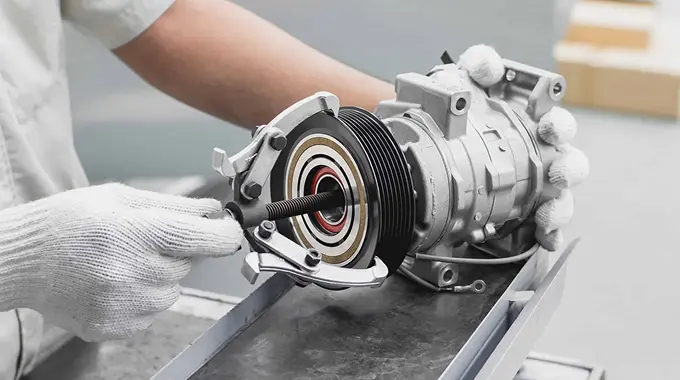
Compressor Replacements are vital Replacements services that restore efficiency in refrigeration and HVAC systems. Designed to reduce downtime and energy costs, these replacements ensure reliable cooling, extended equipment life, and consistent performance for industrial and commercial operations.

Improving cooling efficiency, enhancing product presentation, and lowering energy usage in commercial refrigeration applications.

Protecting temperature-sensitive goods with advanced retrofit and maintenance solutions tailored for large-scale refrigeration facilities.

Implementing energy-efficient retrofits and upgrades to deliver safe, reliable kitchen operations and a superior guest experience.

Maintaining steady temperatures and hygienic conditions with dependable, efficient refrigeration system replacements and upgrades.

Customized retrofit solutions designed to cut operating costs, optimize airflow, and reinforce equipment safety under demanding conditions.


Warning signs can include repeated tripping, abnormal noise or vibration, overheating, poor cooling, high or unstable operating pressures, electrical faults and persistent performance deterioration. However, these symptoms do not automatically prove compressor failure. Electrical, refrigerant, condenser, evaporator and control issues should be checked before approving replacement.
Repair may be possible when the issue is external or involves a serviceable electrical, control or connection component. Replacement is generally considered when the compressor has suffered internal mechanical or electrical failure, severe wear, repeated breakdowns or is no longer economically viable to repair. The decision should compare repair cost, reliability and expected remaining service life.
Compressor failure can result from overheating, inadequate lubrication, liquid return, electrical problems, refrigerant issues, high operating pressures, contamination, poor maintenance or repeated operation outside design conditions. The original cause should be diagnosed before replacement because installing a new compressor without correcting the underlying problem can result in another failure.
The replacement should be matched to the application's cooling capacity, refrigerant, evaporating and condensing conditions, electrical supply, compressor type, operating temperature and system design. Physical fit alone is not enough. Correct compressor selection requires comparison with the original specification and the actual operating requirements of the refrigeration or AC system.
Yes, if the existing compressor is worn, inefficient, incorrectly sized or technologically outdated. A correctly matched replacement can restore intended compression performance and reduce unnecessary energy consumption. However, overall efficiency also depends on the condenser, evaporator, expansion device, refrigerant charge, controls and operating conditions, so compressor replacement should be evaluated as part of the complete system.
Before replacement, technicians should assess the compressor's electrical condition, refrigerant circuit, operating pressures, condenser, evaporator, expansion device, oil condition and evidence of contamination or overheating. The reason for the original failure should also be established. These checks help ensure the replacement compressor is correctly selected and protect it from repeat failure.
The duration depends on compressor size, equipment accessibility, refrigerant recovery, pipework, electrical connections, system condition and commissioning requirements. Small replacements may require less downtime, while larger commercial or industrial systems may need planned shutdowns. Accurate timing should be established after inspecting the equipment and understanding the site operating constraints.
Yes. A compressor can often be replaced independently when the remaining refrigeration system is compatible and in serviceable condition. Before replacement, the condenser, evaporator, expansion device, controls, refrigerant and electrical system should be assessed. If several major components are obsolete or inefficient, a broader retrofit may be more economical.
Compressor replacement cost depends on compressor type and capacity, refrigerant, manufacturer, installation complexity, refrigerant recovery, electrical work, pipe modifications and commissioning. Industrial systems can vary considerably from smaller commercial units. A technical assessment is therefore necessary to determine the correct compressor and provide a meaningful project quotation.
The best approach is to correct the original failure cause and maintain the complete refrigeration system. Regular checks of operating pressures, electrical performance, refrigerant condition, condenser cleanliness, airflow and system temperatures can identify developing problems. Preventive maintenance and timely component replacement can reduce the likelihood of another compressor failure.
Next-Gen Cooling. Made for Saudi
Environments.
We provide advanced commercial cooling solutions that reduce emissions and drive energy-efficient, sustainable performance.
Tell us more about yourself and what
you have got in mind.
Our Solutions
Certificates

ISO 9001

ISO 14001

ISO 45001

ICV
 UAE
UAE
 Oman
Oman
 Qatar
Qatar
 KSA
KSA
 Kuwait
 India
India

Social Media


Certificates
ISO 9001
ISO 14001
ISO 45001
ICV
UAE
KSA
Oman
Kuwait
Qatar
India


